
Artificial Intelligence has transformed how people communicate with technology. One of the biggest innovations is the AI chatbot, which can answer questions, automate tasks, assist customers, generate content, and even act as a personal assistant.
Today, AI chatbots are used by startups, enterprises, educational institutions, healthcare providers, banks, and e-commerce businesses to improve productivity and customer satisfaction.
In this guide, you'll learn everything you need to know about AI chatbots, including how they work, their benefits, real-world applications, and the best AI chatbot platforms available in 2026.
What Is an AI Chatbot?
An AI chatbot is software powered by Artificial Intelligence that can understand human language, respond naturally, and complete tasks through conversations.
Unlike traditional rule-based chatbots, AI chatbots use technologies like:
Machine Learning
Natural Language Processing (NLP)
Large Language Models (LLMs)
Deep Learning
These technologies allow AI chatbots to understand context, remember conversation flow, and generate intelligent responses.
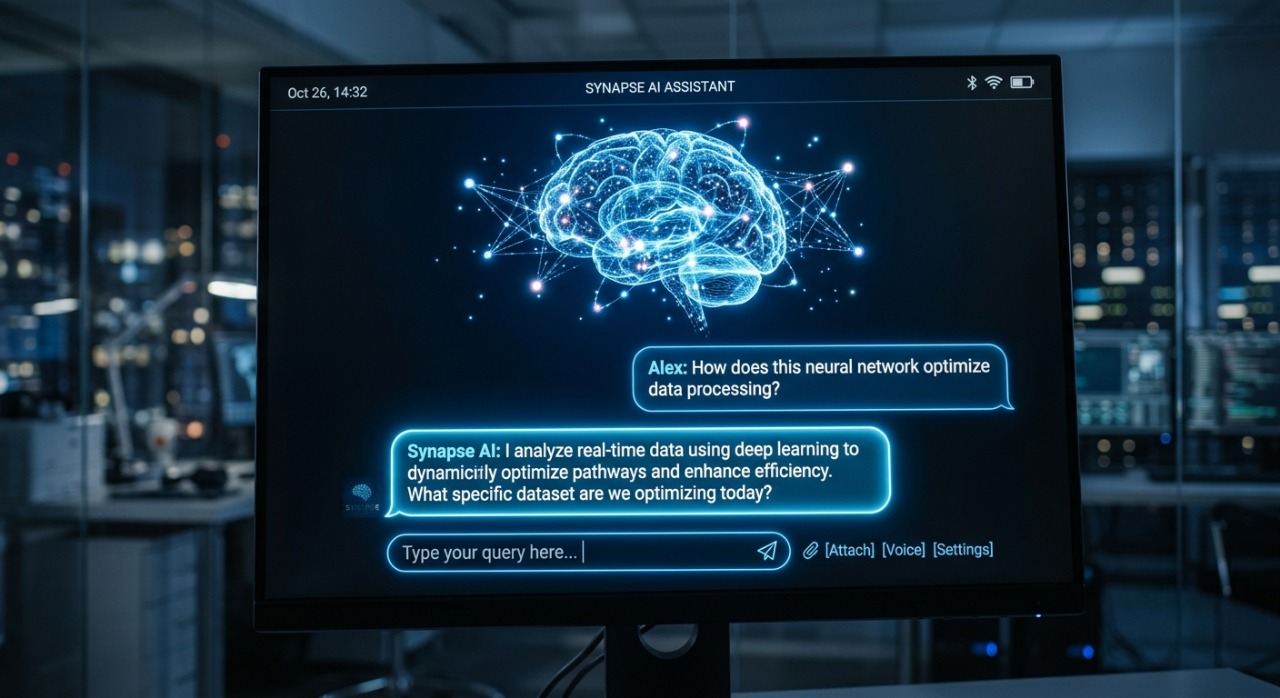
How AI Chatbots Work
AI chatbots follow several steps to understand and respond to users:
Step 1
The chatbot receives a message.
Step 2
Natural Language Processing identifies the user's intent.
Step 3
The AI model analyzes the context.
Step 4
The chatbot generates the best possible response.
Step 5
The response is delivered within seconds.
Modern AI chatbots continuously improve by learning from interactions and updates to their underlying AI models.
Types of AI Chatbots
Rule-Based Chatbots
These follow predefined rules and can only answer programmed questions.
AI-Powered Chatbots
These understand natural language and generate dynamic responses.
Hybrid Chatbots
They combine rule-based automation with AI capabilities for greater flexibility.
Benefits of AI Chatbots
Businesses and individuals benefit from AI chatbots in many ways:
24/7 customer support
Faster response times
Lower operational costs
Increased customer satisfaction
Higher productivity
Personalized user experiences
Lead generation
Appointment scheduling
Sales assistance
Content creation
Multilingual communication
Organizations adopting AI chatbots often see improvements in efficiency and customer engagement because routine tasks are handled automatically while human agents focus on more complex issues.

AI Chatbot Use Cases
AI chatbots are used across many industries:
Customer Support
Handle FAQs, returns, troubleshooting, and order tracking.
Healthcare
Assist with appointment booking and basic patient guidance.
Education
Help students learn, answer questions, and create study materials.
Banking
Provide account assistance and financial information.
E-commerce
Recommend products, answer customer queries, and increase conversions.
Marketing
Generate blog posts, emails, social media captions, and SEO content.
Best AI Chatbots in 2026
Some of the leading AI chatbot platforms include:
ChatGPT
Google Gemini
Claude
Microsoft Copilot
Perplexity AI
Grok
Meta AI
Each platform has different strengths, such as coding assistance, research, creative writing, productivity, or enterprise integrations. The best choice depends on your specific needs.
Image 4 Placement
Image Prompt
Collection of futuristic AI assistant concepts displayed on laptop and smartphone screens, modern workspace, glowing AI elements, realistic technology illustration
Image Name
best-ai-chatbots-2026.webp
Alt Text
Popular AI chatbot platforms for productivity and business
AI Chatbot vs Traditional Chatbot
FeatureTraditional ChatbotAI ChatbotLearns from dataNoYesUnderstands contextLimitedExcellentHuman-like responsesBasicAdvancedPersonalizationLowHighScalabilityModerateHighAutomationBasicIntelligent
Challenges of AI Chatbots
Although AI chatbots offer many benefits, they also have limitations:
Incorrect or outdated responses
Privacy and security considerations
Dependence on training data
Integration complexity
Ongoing maintenance and monitoring
Businesses should implement proper oversight, data governance, and human review where accuracy is critical.
Future of AI Chatbots
The future of AI chatbots is expected to include:
Smarter reasoning
Voice-first interactions
Real-time multilingual conversations
Better personalization
Deeper business integrations
Autonomous AI agents
Improved emotional understanding
Enhanced collaboration with humans
As AI technology advances, chatbots will become even more capable of supporting both personal and professional tasks.
Frequently Asked Questions
What is an AI chatbot?
An AI chatbot is software that uses artificial intelligence to understand and respond to human language in a conversational way.
Are AI chatbots free?
Many platforms offer free plans, while advanced features are often available through paid subscriptions.
Can AI chatbots replace human support?
They can automate many routine tasks, but human expertise remains important for complex, sensitive, or high-stakes situations.
Which industries use AI chatbots?
Healthcare, banking, education, retail, travel, customer support, marketing, real estate, and many other sectors use AI chatbots.
Are AI chatbots secure?
Security depends on the platform and how it is configured. Organizations should follow best practices for data protection and privacy.
Conclusion
AI chatbots have become an essential technology for businesses and individuals seeking to improve efficiency, automate repetitive tasks, and deliver better user experiences. Whether you're running an online store, managing customer support, creating content, or looking for a personal AI assistant, modern AI chatbots offer powerful capabilities that continue to evolve. Choosing the right platform and implementing it thoughtfully can help you save time, reduce costs, and stay competitive in the rapidly changing digital landscape.