
Two weeks ago at Google Cloud Next ’26 in Las Vegas, a massive shift occurred in the enterprise AI landscape. While the industry has spent two years debating how to control autonomous systems, Google did something definitive: it made Agentic AI governance a native product feature.
The star of the show was the Gemini Enterprise Agent Platform. Pitched as the sophisticated successor to Vertex AI, this platform isn't just about better models or TPU upgrades it’s about the architecture of control.
1. The Gemini Enterprise Agent Platform: Governance by Design
What sets this platform apart is its foundational security layer. Every agent built here receives a unique cryptographic identity. This ensures:
Traceability: Every action is linked to a specific ID.
Auditing: Seamless logs for compliance and security checks.
Agent Gateway: A centralized system that manages how agents interact with sensitive enterprise data.
In short, Google has moved governance from a "check-box" at the end of development to a core part of the product's DNA.

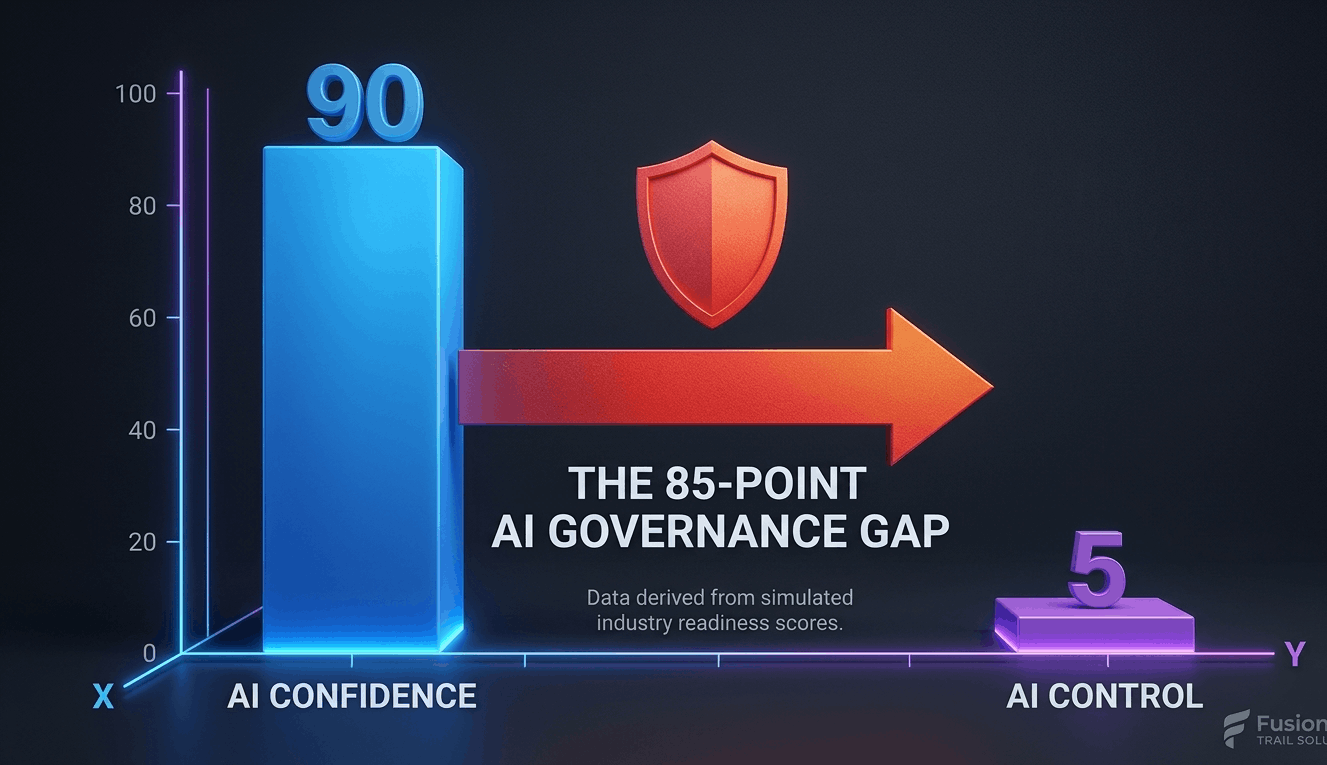
2. Closing the 85-Point "Governance Gap"
The urgency for this tech is backed by alarming data. A recent survey of nearly 1,900 IT leaders by OutSystems revealed a staggering "Governance Gap":
97% of organizations are exploring agentic AI.
49% claim to be experts in the field.
Only 12% actually use a centralized platform to control AI sprawl.
This 85-point gap between confidence and actual control is why most AI projects fail. According to Gartner’s 2026 Hype Cycle, while adoption intent is at an all-time high, only 11% to 14% of AI pilots reach genuine production scale. The rest stall due to integration complexity and governance breakdowns.
3. Google’s Strategic Bet: Who Owns the Control Plane?
Google is no longer just providing "model access." They are positioning themselves as the Full Agentic Enterprise Platform. By putting identity and security at the center, they are solving the most complex problem for architects: Permissions at Scale.
Traditional identity management isn't built for agents that act across multiple systems. Google’s cryptographic identity solves this by defining:
Which tools an agent can use.
What specific actions it is authorized to take.
A transparent audit trail for every decision made by the AI.

4. The "Agent Washing" Trap
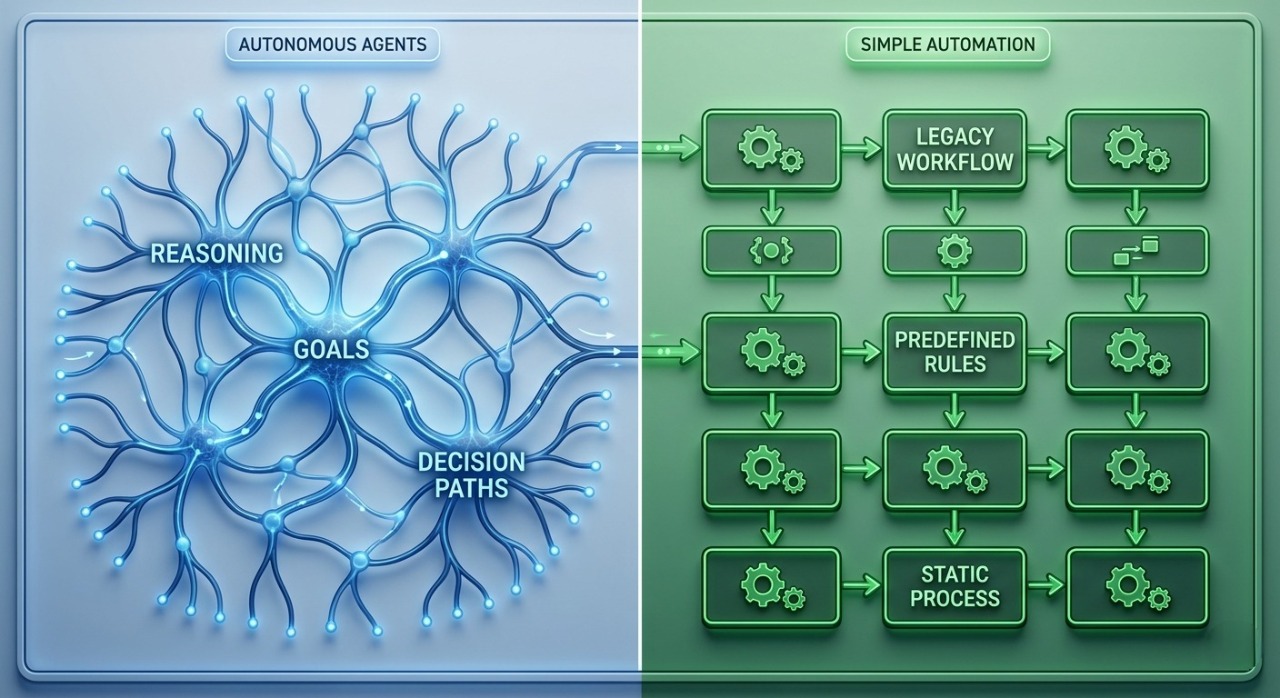
A major hurdle in the industry today is Agent Washing. Many tools marketed as "Agentic AI" are actually just legacy workflows with a chat interface operating on rules rather than reasoning.
Why this matters for SEO and Strategy: Governance for a scripted bot is easy; governance for a reasoning autonomous agent is hard. Enterprises that fail to distinguish between the two end up with frameworks that are either too restrictive or dangerously permissive.
Conclusion: The Future of Scalable AI
Gartner estimates that 40% of agentic AI projects could be canceled by 2027 due to weak governance. Google’s launch is a "forcing function" for the industry. The tools now exist at scale; the hard work remains for enterprises to decide who is accountable when an agent makes a mistake.