
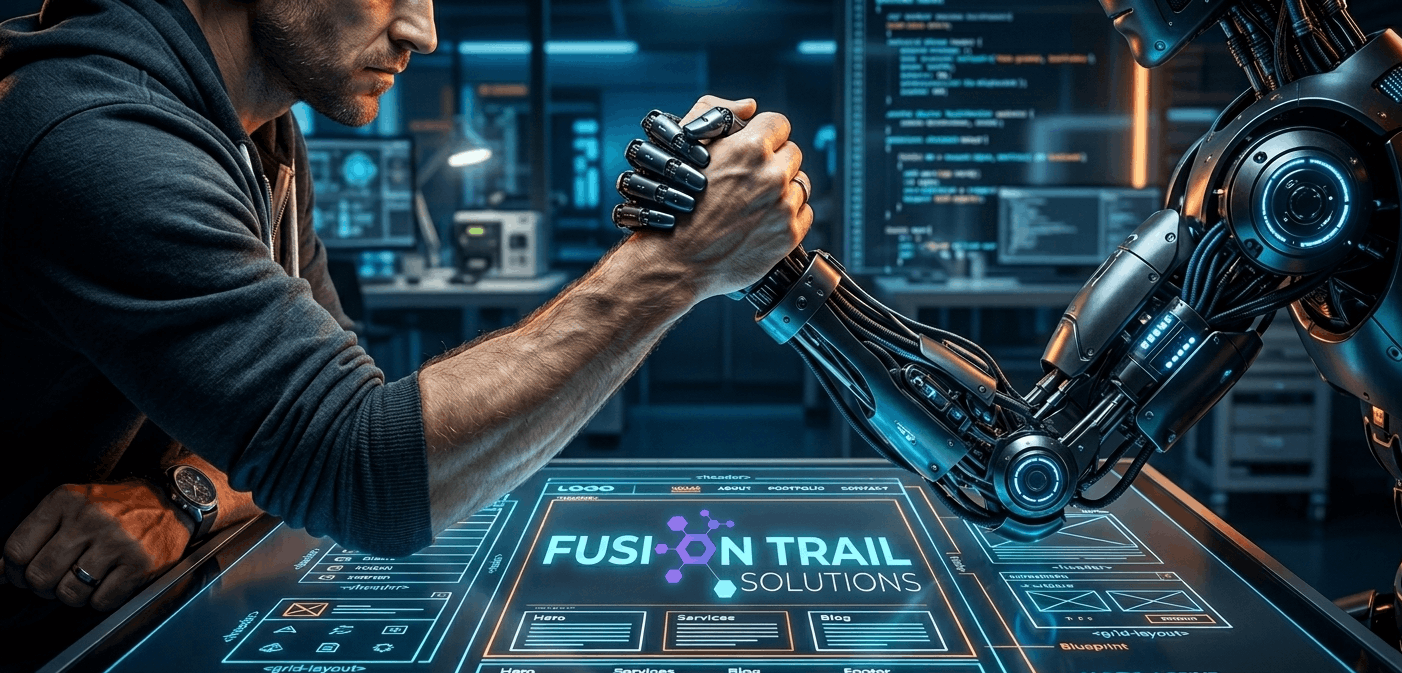
In 2026, the question isn’t whether AI is coming it’s about who will survive the aftermath. From local startups to global agencies, Artificial Intelligence has shifted from a "helper tool" to a direct competitor for creative professionals.
1. Web Development: Beyond the Syntax
Web developers are facing a new reality. Tools can now generate entire landing pages from a single text prompt.
Web developers are facing a hybrid reality where the barrier to entry has skyrocketed. Tools like GitHub Copilot, Cursor, and v0.dev can now generate functional landing pages, complex CSS layouts, and even React components from a single text prompt.
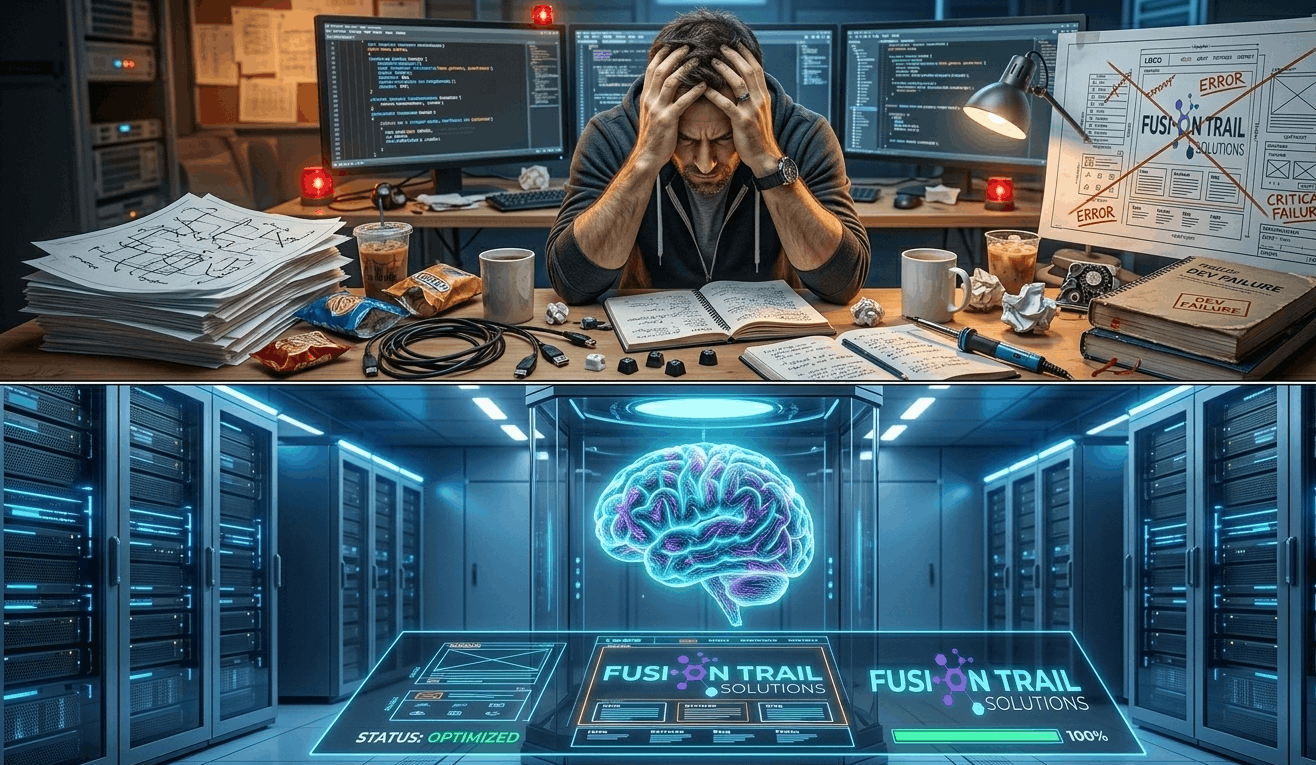
The Crisis: The "Junior Developer" role is under siege. Simple tasks like converting a Figma design to HTML/CSS or writing basic CRUD operations are now automated. This has created a massive gap; companies no longer want to pay for "code monkeys" they want architects.
The Integration Struggle: Businesses are finding that while AI can write code, it cannot maintain it. Many are stuck with "AI-spaghetti code" that is hard to debug, causing a nightmare for long term scalability.
The Shift: Developers now must master Prompt Engineering and System Architecture. If you can't explain why a certain database structure is better than another, AI will replace you.
2. Graphic Design & Visual Arts: The Midjourney Effect
Graphic designers are no longer just competing with other artists; they are competing with the collective output of human history stored in billions of data points.
The Crisis: The "commoditization" of design. When a small business owner can use Canva Magic Studio or Midjourney to generate a high quality logo in 30 seconds for $20 a month, they stop hiring freelance designers for $500. This is devaluing the craft of typography, color theory, and layout.
The Homogenization of Art: Because AI works on averages, we are seeing a "sameness" in digital art. This creates a "Visual Fatigue" where everything looks like a stock AI image, making it harder for brands to actually stand out.
The New Demand: Designers are moving away from "making things look pretty" to "Brand Strategy." The human designer’s job is now to ensure a brand has a soul and a consistent narrative that an algorithm cannot replicate.

3. Video and Photo Editors: The Automation Trap
Video editing and photo retouching, once considered labor-intensive crafts requiring years of technical mastery, are being disrupted by "One-Click" intelligence.
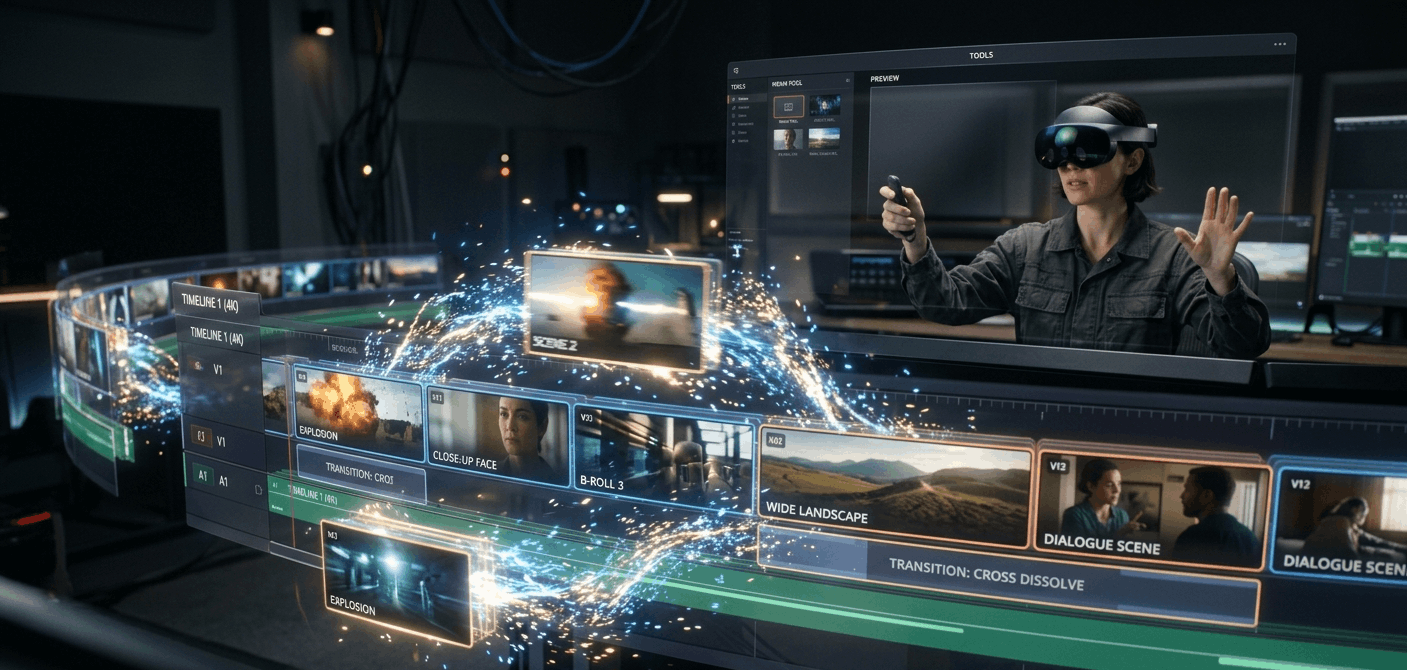
The Crisis: Tools like Adobe Firefly, Descript, and Sora are automating the most time consuming parts of the workflow. AI can now perform "Generative Fill" to change backgrounds, remove objects, and even sync b roll to audio automatically.
The Content Explosion: The volume of content needed for social media (Shorts, Reels, TikTok) is so high that humans can't keep up. Editors who specialize in "fast cut" social media edits are being replaced by AI tools that can edit a 60 second video in 10 seconds.
The Quality Dilemma: While AI is fast, it lacks "Pacing" and "Emotional Resonance." It doesn't know when to hold a shot for dramatic effect or how to cut to the beat of a song in a way that feels "human." Professional editors are now becoming "Creative Directors" who oversee AI workflows rather than doing the manual cutting themselves.
The Human Edge: Why AI Can’t Win the Logic War
Despite the hype, AI has a ceiling. It can mimic, but it cannot innovate or reason.
Strategic Logic & Problem Solving
A developer doesn't just write code; they solve puzzles. AI often generates code that looks right but fails in high pressure, custom environments. It lacks the "gut feeling" of a seasoned engineer who knows when to break the rules for better performance.
Empathy & Brand Vision
AI doesn't understand "vibe." It doesn't know why a specific brand needs to feel "nostalgic yet modern." Humans communicate with nuance, understanding the unspoken needs of a client that a prompt can never capture.
Security & Architecture
AI-generated code is notorious for security vulnerabilities. A human developer builds a fortress; AI builds a house of cards that looks like a fortress.
Conclusion: Adapt or Perish
The businesses struggling today are those trying to fight AI. The winners are the ones using AI to automate the "boring stuff" while doubling down on their unique human logic and strategic expertise.