In the modern digital landscape, Artificial Intelligence (AI) is no longer a futuristic concept; it is the backbone of our daily tech interactions. However, as AI becomes more sophisticated, it has introduced a new era of vulnerabilities. While it helps developers create smarter apps, it also provides hackers with a "supercharged" toolkit to breach PCs, mobile devices, and enterprise networks.
Here is an in depth look at how AI is affecting security across four critical dimensions.
1. AI-Powered Phishing and Social Engineering
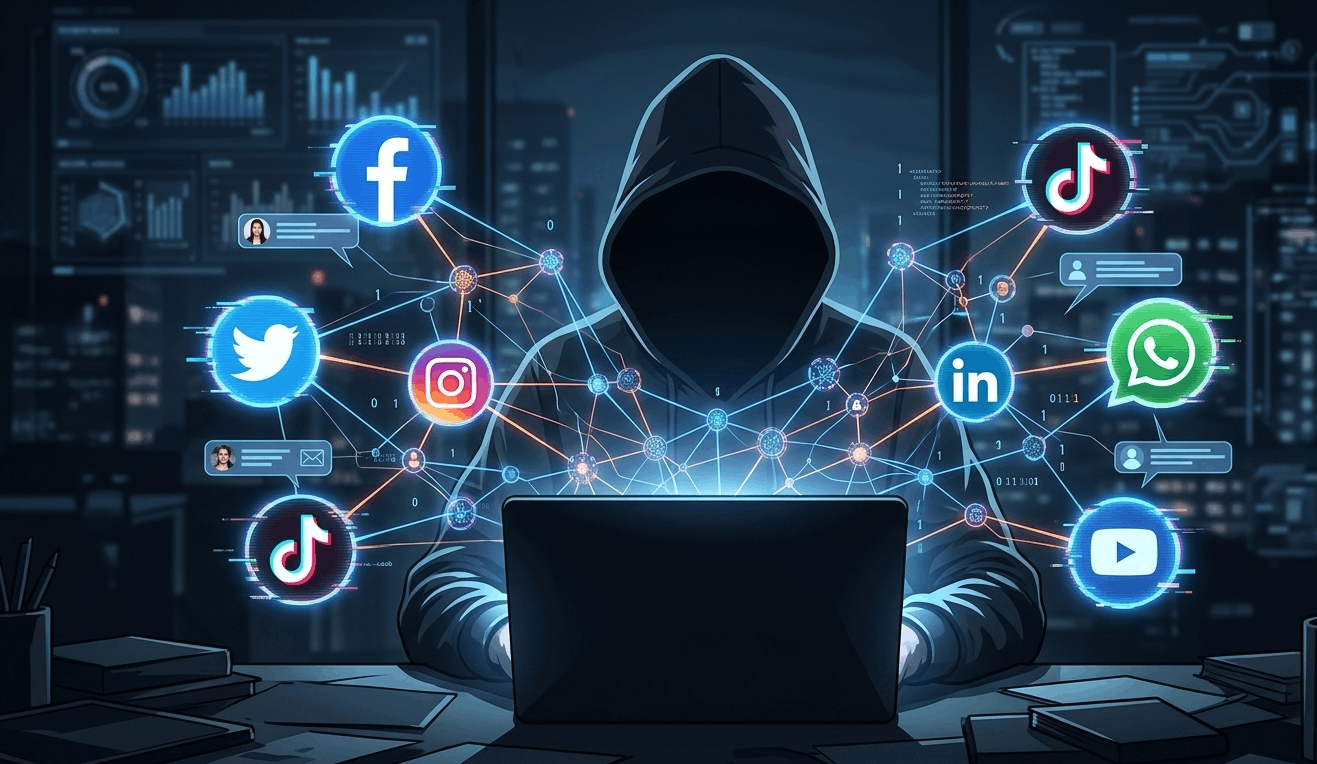
Historically, phishing emails were easy to spot due to poor grammar or generic templates. AI has completely removed these "red flags." Hackers now use Large Language Models (LLMs) to craft perfect, highly personalized emails that mimic the writing style of colleagues or trusted brands.
Automated Personalization: AI can scrape social media data to create "spear phishing" attacks at scale, targeting thousands of people with unique, convincing messages simultaneously.
Deepfakes: We are now seeing AI-generated voice and video (Deepfakes) used to impersonate CEOs or family members, leading to massive financial fraud.
2. Sophisticated AI-Generated Malware
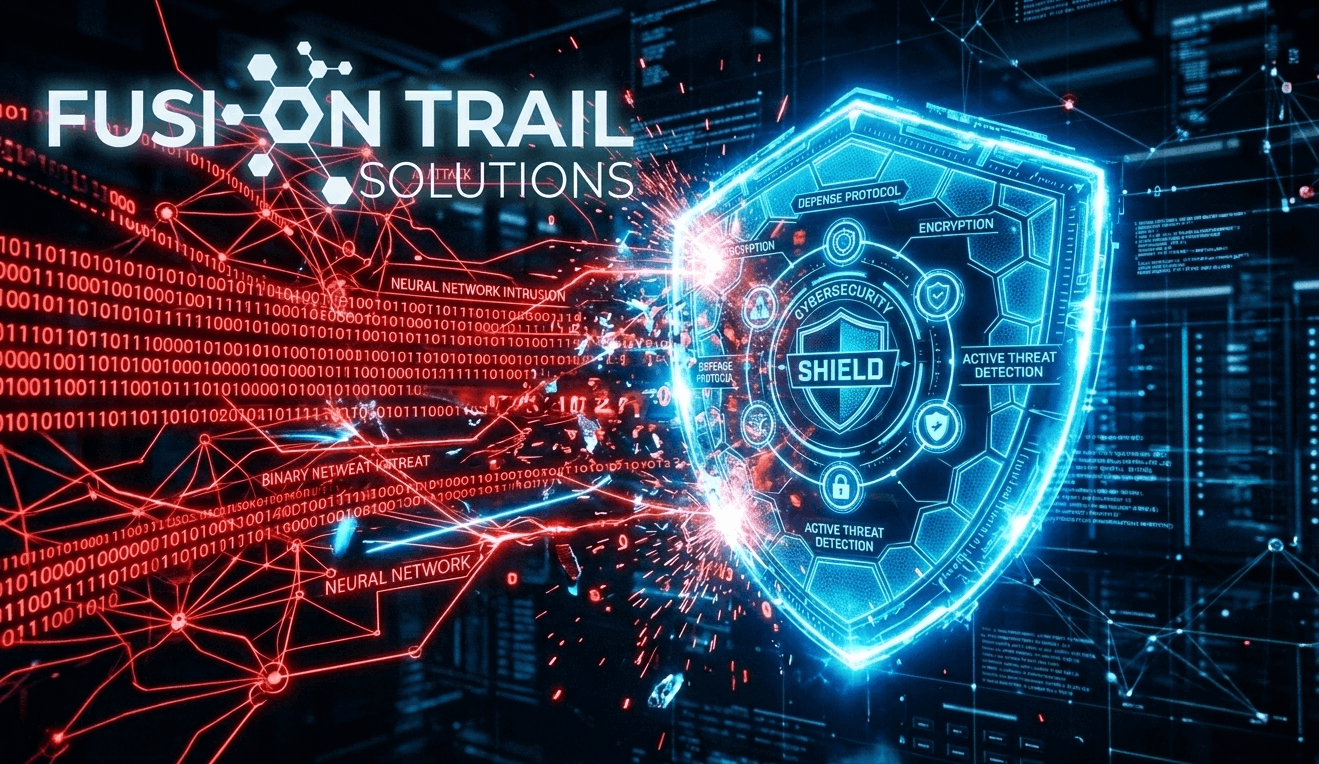
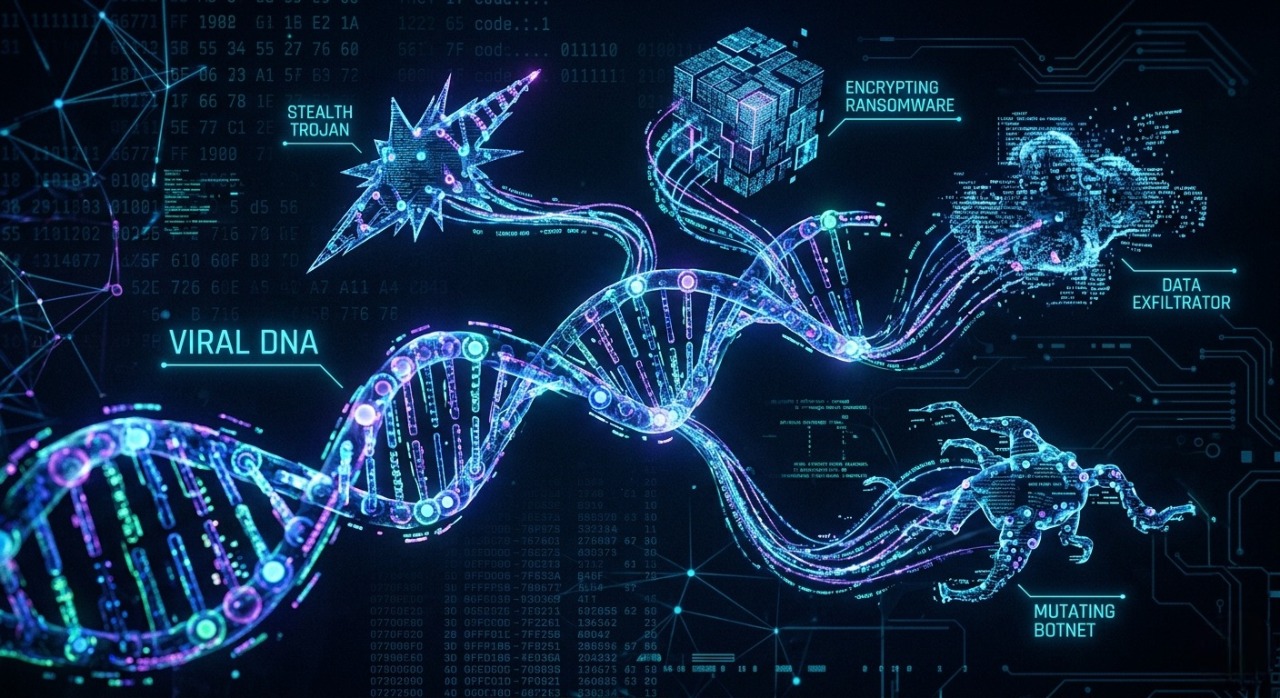
The battle between antivirus software and viruses has reached a tipping point. Traditional security relies on "signatures" to identify known threats. AI-driven malware, however, is polymorphic.
Self-Evolving Code: AI can be used to write code that changes its own structure every time it spreads. This makes it nearly invisible to traditional scanners.
Automated Vulnerability Research: AI bots can scan the source code of apps and websites 24/7, finding "Zero-Day" vulnerabilities much faster than a human security researcher ever could.
3. Threats to Mobile and IoT Ecosystems
Our mobile devices are the most personal "PCs" we own, containing banking info, private photos, and location data. AI is making these devices increasingly insecure.
App Hijacking: Malicious actors use AI to "repackage" legitimate apps with hidden spyware that behaves normally until it detects a specific user action.
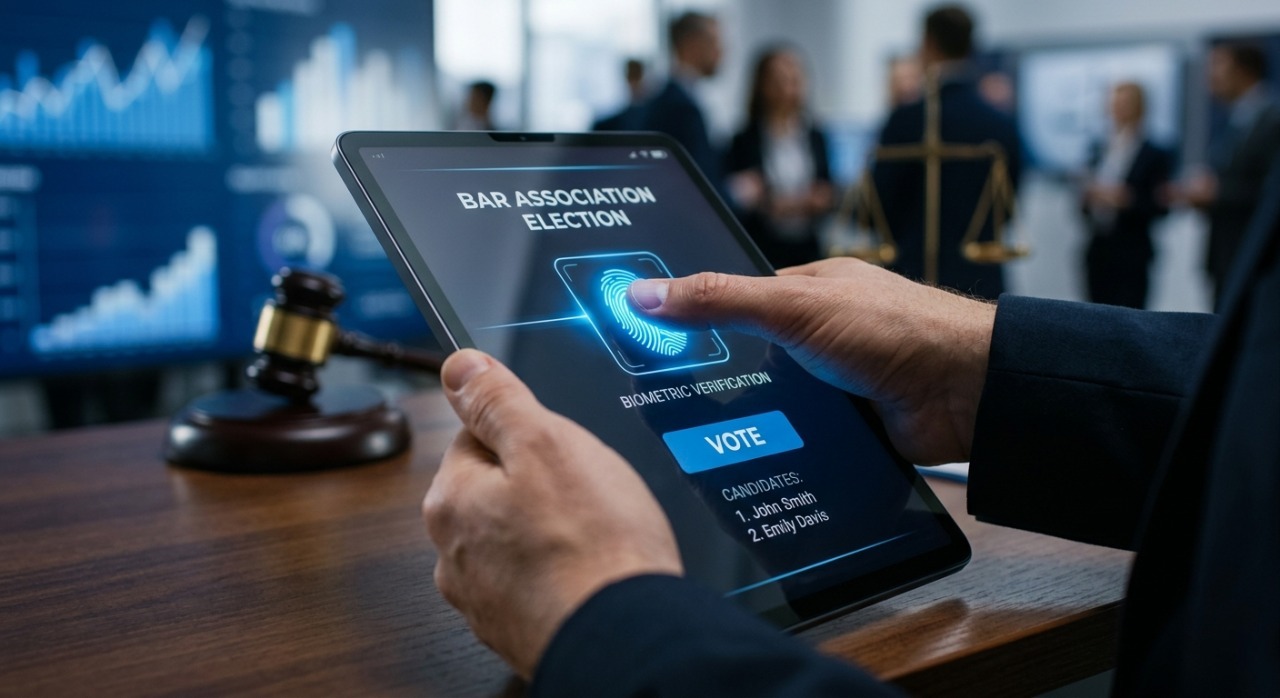
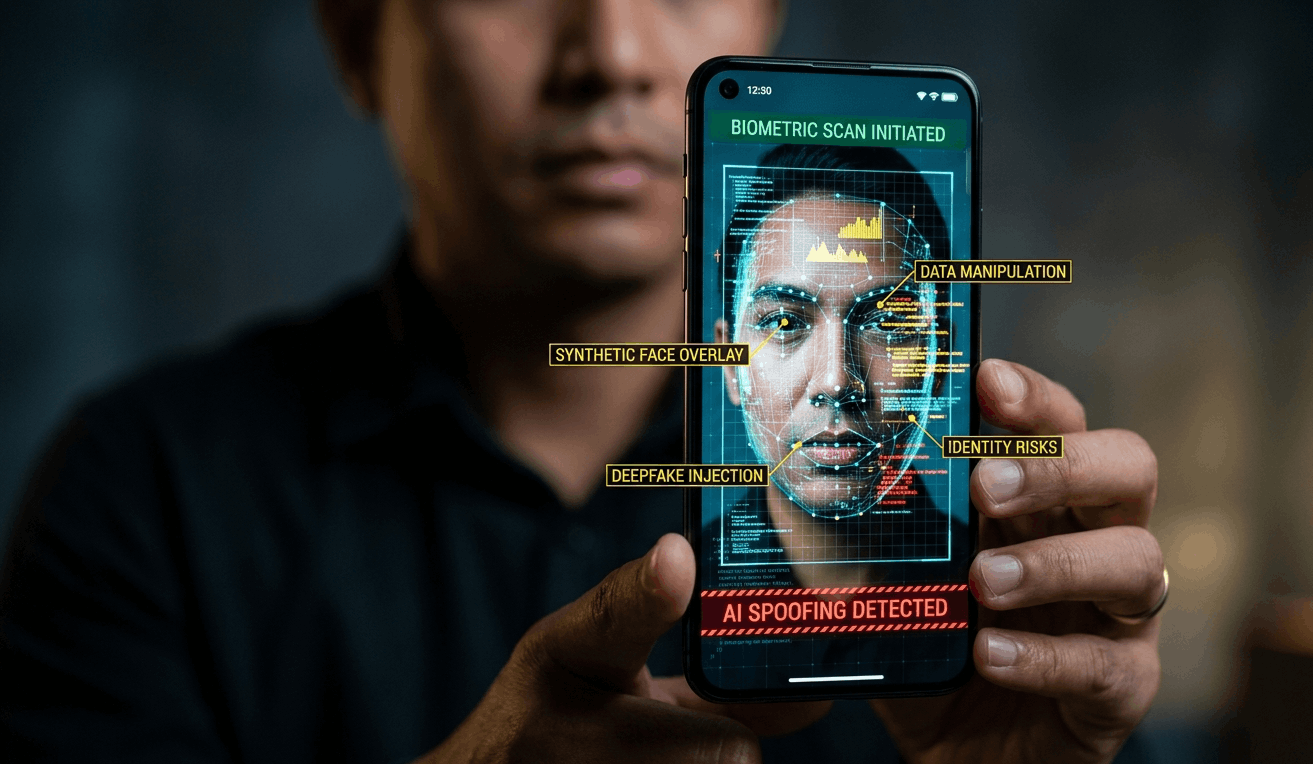
Biometric Bypassing: While FaceID and Fingerprint sensors are secure, AI-generated "Masterprints" and synthetic faces are being developed to trick biometric authentication systems.
Insecure IoT: Smart homes and connected devices often have weak security. AI can coordinate "Botnets" (millions of infected devices) to launch massive DDoS attacks, shutting down entire portions of the internet.
4. The Automation of "Brute Force" and Credential Stuffing
In the past, guessing a password took time. Today, AI-driven algorithms can predict passwords based on leaked data patterns and common human behaviors.
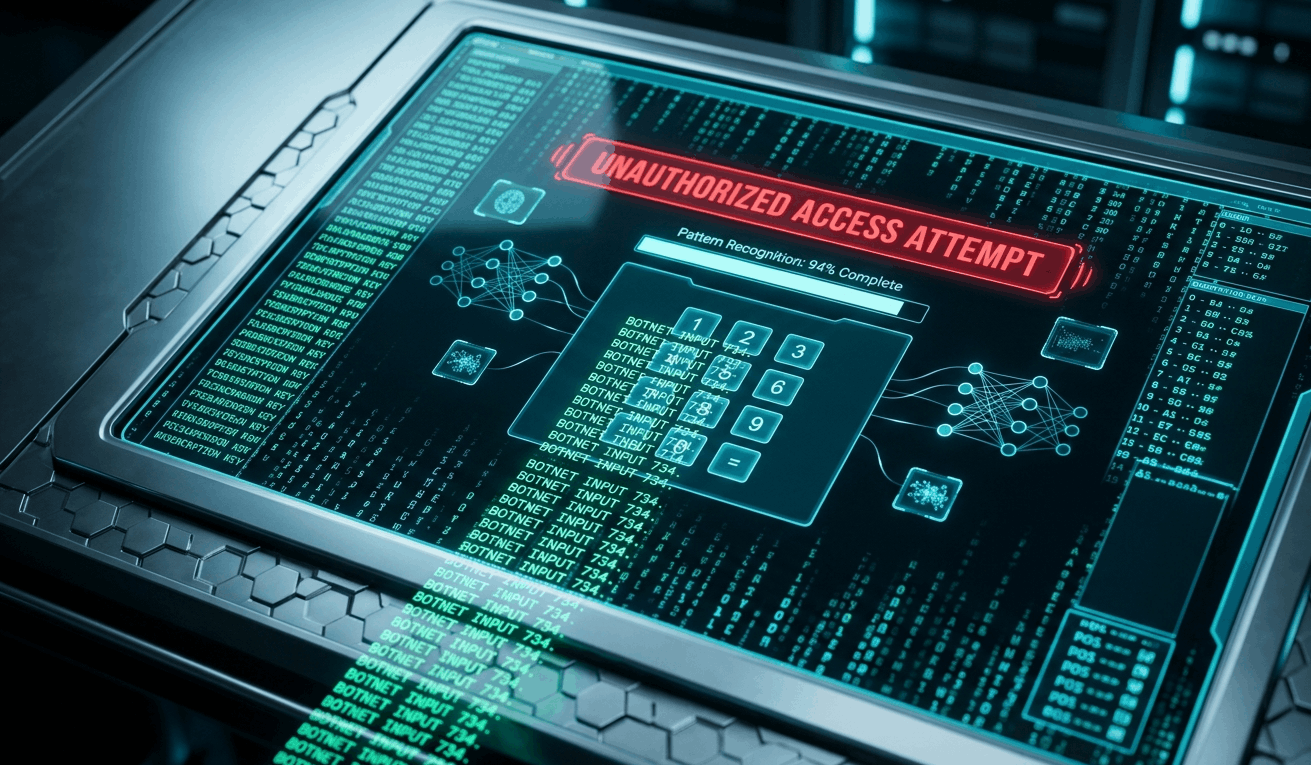
Pattern Recognition: AI doesn't just guess "123456"; it analyzes billions of leaked passwords to understand how humans create "strong" variations, making it much easier to crack complex keys.
Continuous Attacking: Unlike human hackers who need sleep, AI scripts run indefinitely, testing millions of credential combinations across different apps and websites until they find a way in.
Conclusion: How to Stay Secure?
The rise of AI-driven threats doesn't mean we should stop using technology. Instead, it means our defense must also be AI-powered. To stay 100% secure:
Use Multi-Factor Authentication (MFA): Never rely on just a password.
Update Regularly: Ensure your PC and Mobile OS are always on the latest version to patch AI-discovered bugs.
Zero-Trust Architecture: Treat every connection as a potential threat until verified.
The future of security is a "Machine vs. Machine" war. Staying informed is your first line of defense.