Introduction
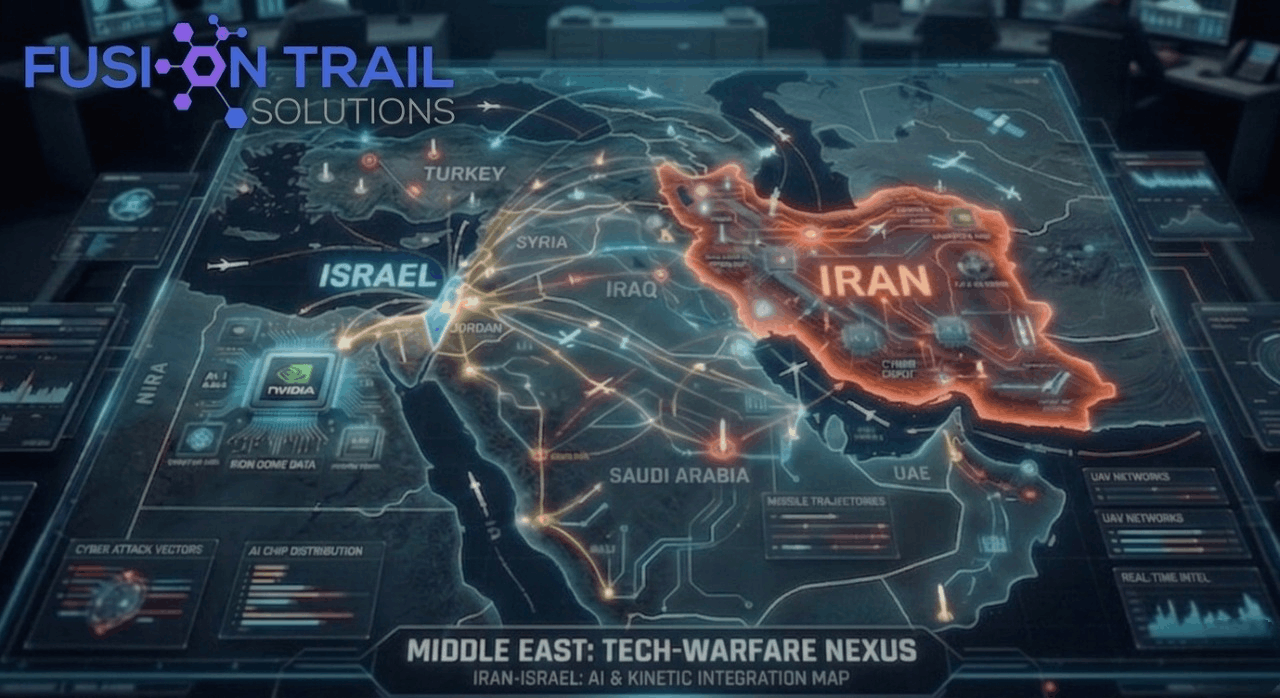
The ongoing conflict in the Middle East is no longer just a geopolitical issue. It is becoming a major disruptor of the global technology industry.
As tensions rise between USA and global powers, industries like artificial intelligence, semiconductors, and cloud computing are beginning to feel the pressure. From rising energy costs to supply chain disruptions, the effects are spreading far beyond the battlefield.
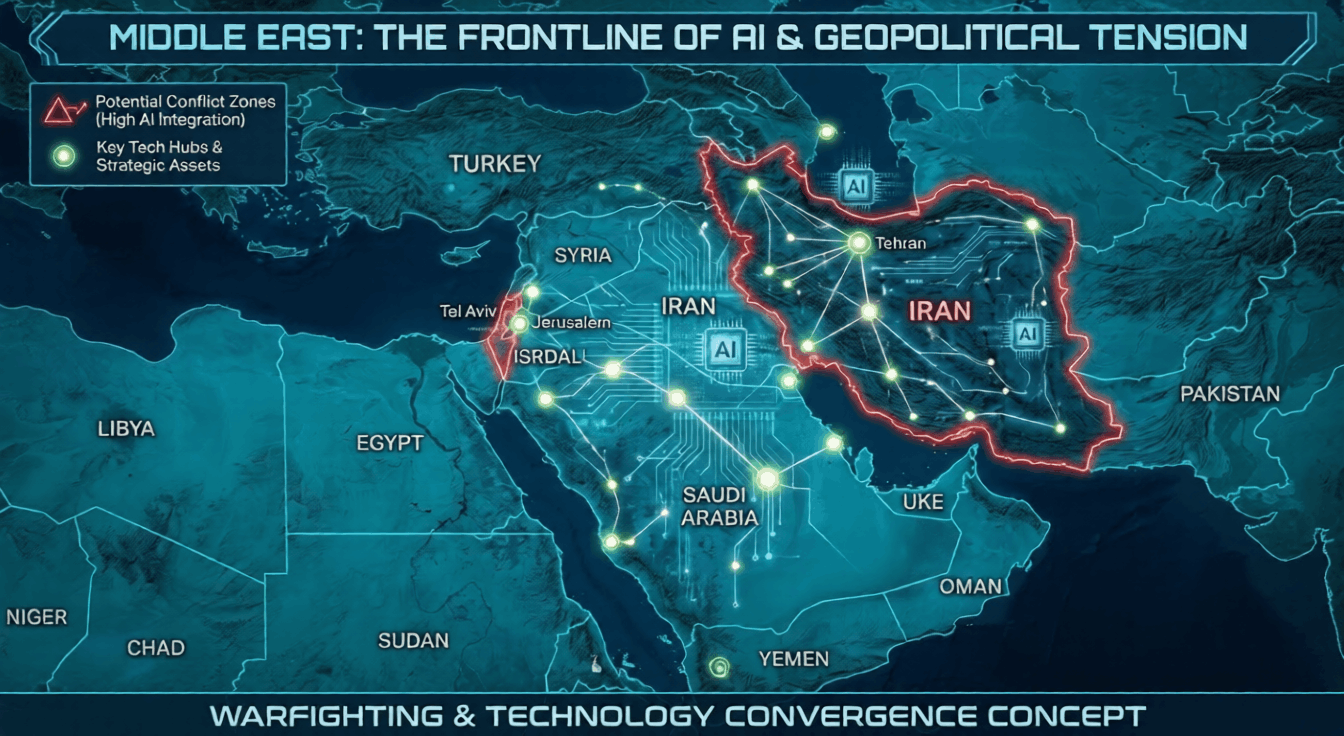
So, how exactly is the Middle East war affecting AI and global technology in 2026? Let’s break it down.
Why the Middle East Conflict Is Disrupting Technology
The global tech ecosystem depends heavily on three things: stable energy, efficient supply chains, and predictable markets.
The current conflict is putting all three at risk.
Key challenges include:
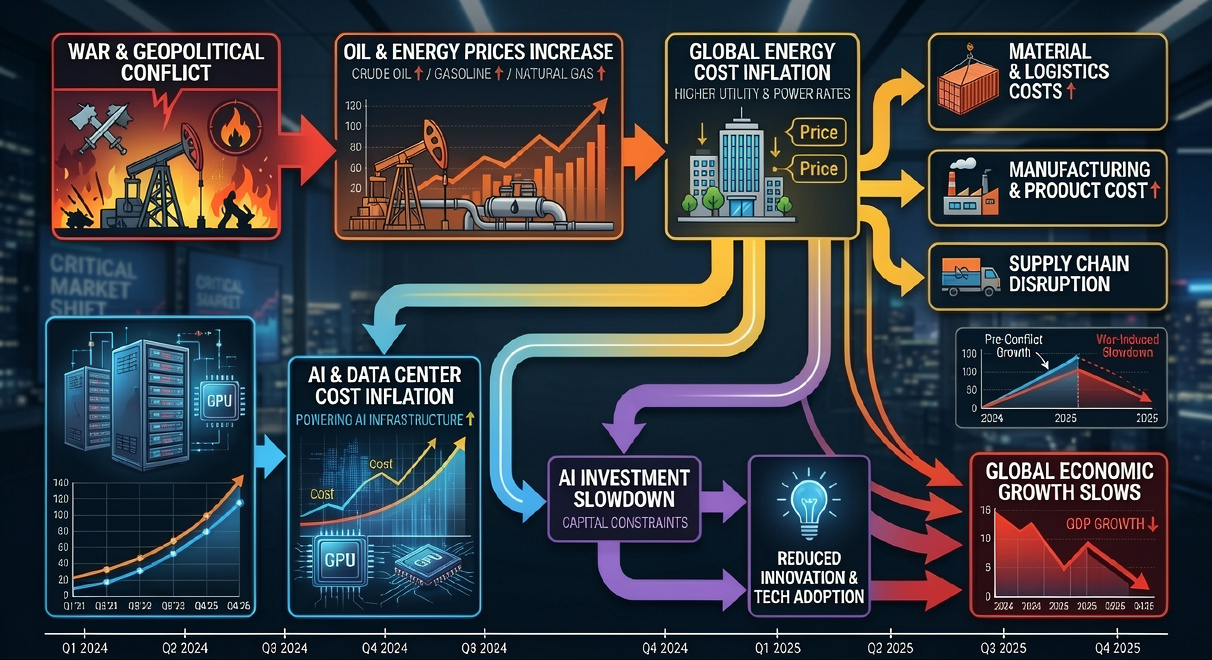
Rising oil and electricity prices
Disrupted global shipping routes
Delays in manufacturing and logistics
Increased geopolitical uncertainty
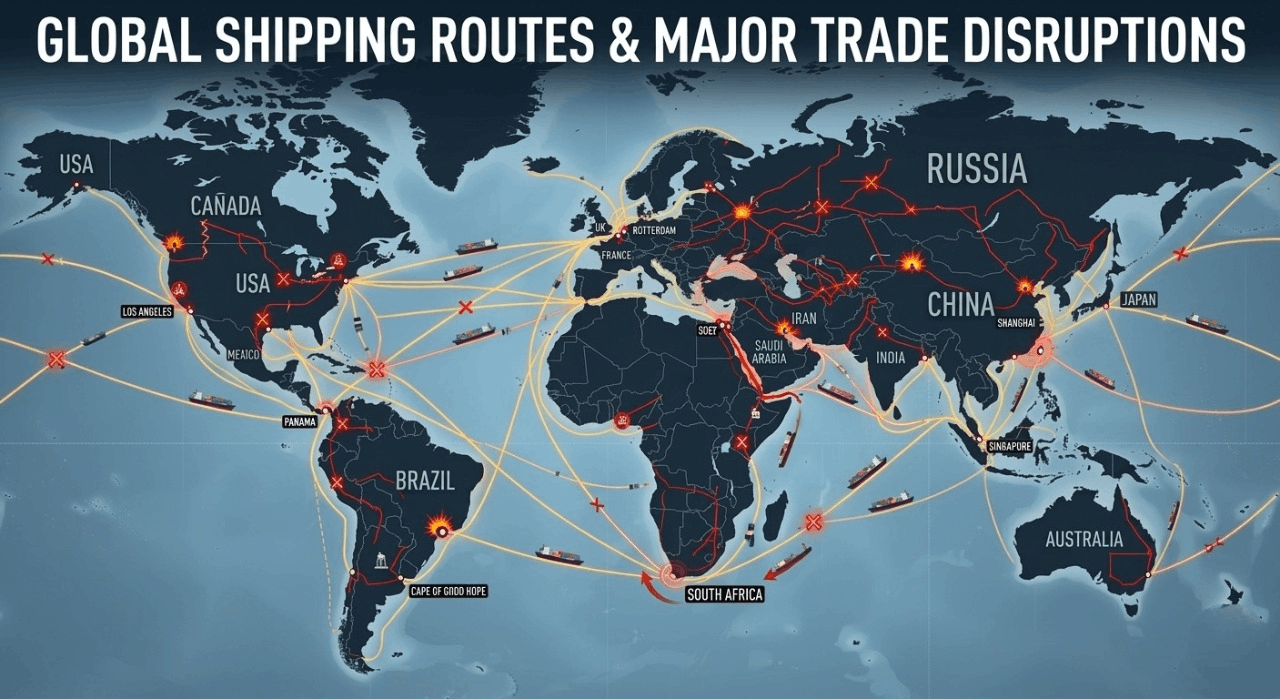
Because of this, tech companies worldwide are facing higher costs and operational risks.
How Rising Energy Costs Are Affecting AI and Data Centers
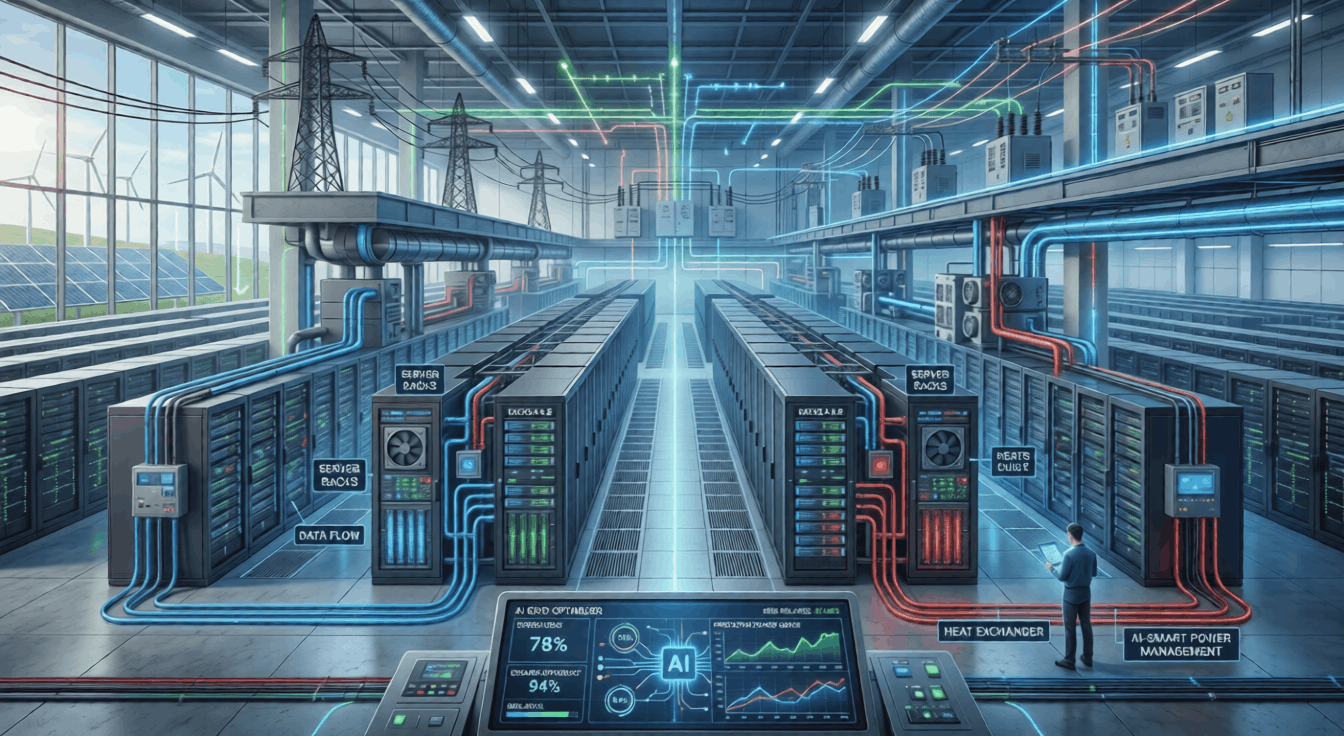
Artificial intelligence systems require massive computing power and that means high energy consumption.
When oil prices increase, electricity becomes more expensive, directly impacting:
AI model training
Cloud computing platforms
Data centers
Streaming and digital services
Large scale data centers already consume enormous energy. With rising costs, companies may:
Reduce AI training frequency
Increase service pricing
Shift toward energy efficient infrastructure
This is one of the most immediate and visible impacts of the conflict on the AI industry.
Impact on Semiconductor and Chip Supply Chains
Semiconductors are the backbone of modern technology and they are highly sensitive to global disruptions.The disruption of key shipping routes and manufacturing supply chains is making it harder for chipmakers to get the materials and equipment they need on time. This is creating a ripple effect across the global tech industry, increasing costs and slowing the production of everything from smartphones to AI hardware.
The conflict is affecting:
Transportation of raw materials
Delivery of chip manufacturing equipment
Global trade routes
As a result, we may see:
Increased prices for GPUs and processors
Delays in electronics production
Shortages of advanced AI chips
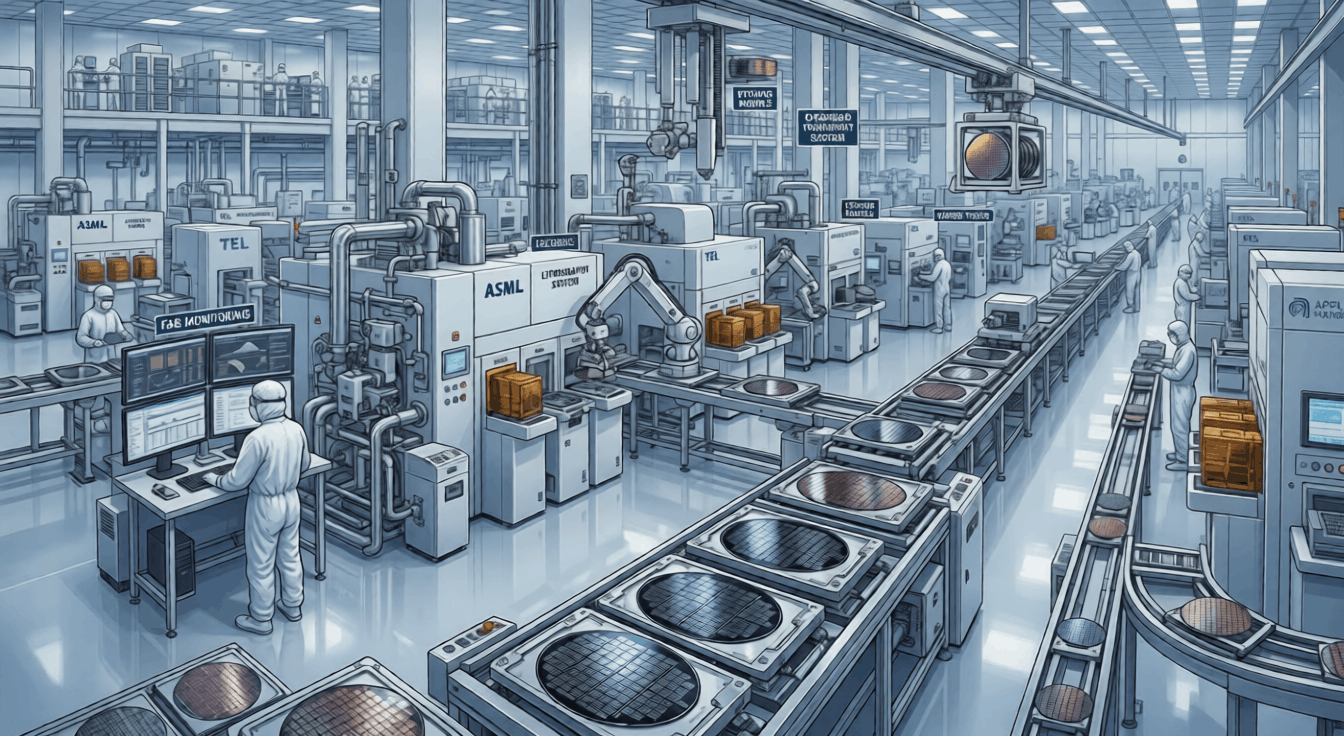
Countries like the US, South Korea, and Taiwan rely on stable global trade. Any disruption can slow down the entire tech ecosystem.
Will the AI Industry Slow Down?
Yes, global conflicts can slow down AI growth by increasing costs, disrupting chip supply, and reducing investment stability.
Global instability makes it more difficult for AI companies to expand quickly because training advanced models requires expensive chips, reliable infrastructure, and long term investment. When those factors are disrupted, AI innovation slows and new technologies take longer to reach the market.
AI development depends on:
Affordable computing power
Access to advanced semiconductors
Strong investor confidence
War creates uncertainty in all three areas.
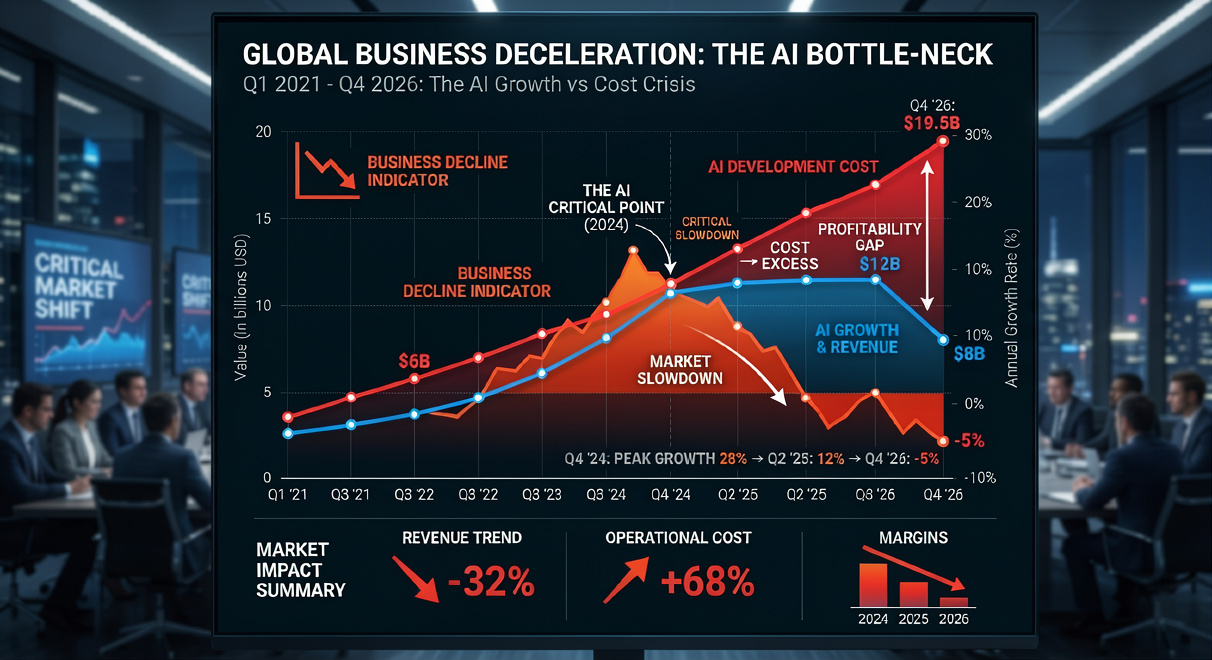
Startups may struggle the most, while large tech companies may continue but at higher costs.
Cybersecurity Threats Are Increasing
Conflicts in the digital age are not limited to physical battlefields they extend into cyberspace.
With rising tensions, the risk of cyberattacks increases significantly.
Major threats include:
Ransomware attacks
Infrastructure hacking
Cyber espionage
Misinformation campaigns
As a result, demand for cybersecurity solutions is growing rapidly.
Companies are investing more in:
AI-based threat detection
Secure cloud systems
Data protection tools

Industries That Will Be Affected the Most
The industries most connected to global supply chains and international trade are expected to face the biggest challenges. Rising costs, shipping delays, and uncertainty could slow growth across several major sectors.
Likely to Be Negatively Impacted:
Semiconductor industry
Artificial intelligence companies
Consumer electronics
Logistics and shipping
Airline and travel tech
On the other hand, some industries may grow faster as governments and businesses invest more in security, local production, and energy independence.
Industries That May Benefit:
Cybersecurity
Defense technology
Renewable energy
Local manufacturing
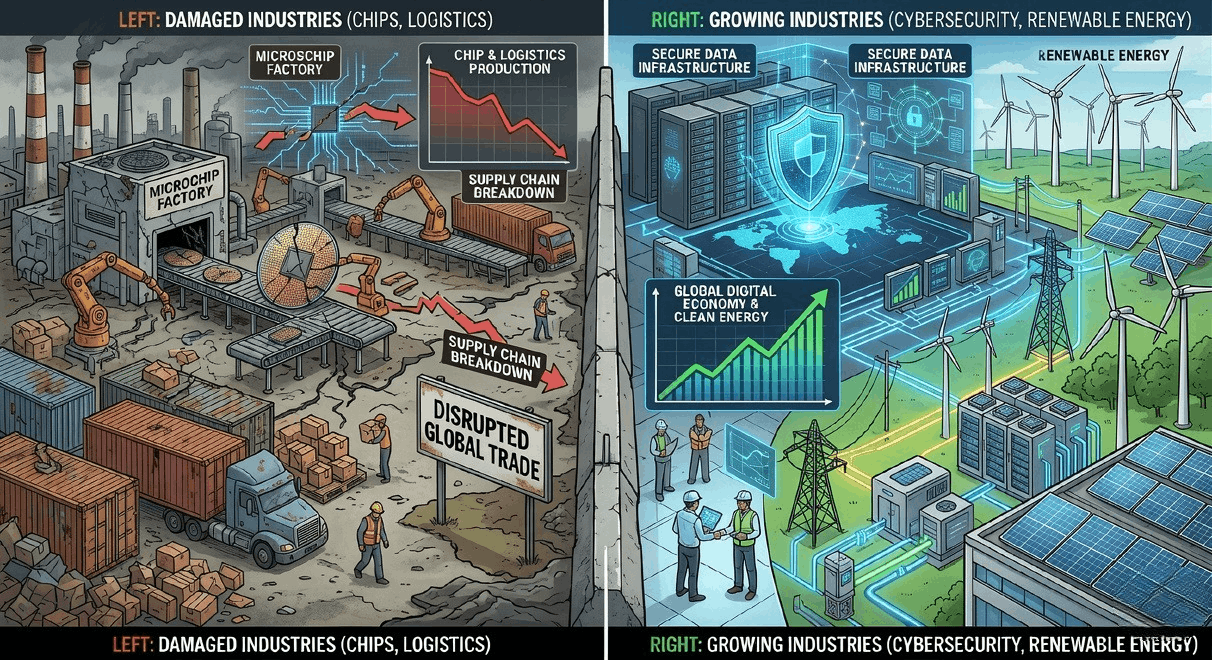
This shift could reshape the global tech landscape in the coming years.
What Happens Next?
The technology industry is beginning to adapt to this new reality by reducing its dependence on fragile global supply chains. Companies and governments are investing in local manufacturing, cleaner energy, and more efficient technologies to stay resilient during future disruptions.
While the future remains uncertain, several trends are already emerging:
Increased investment in local chip production
Faster adoption of renewable energy
Focus on energy efficient AI models
Growing importance of cybersecurity
Tech companies are now preparing for a world where global stability can no longer be taken for granted.
Conclusion
The Middle East war in 2026 is quietly reshaping the future of technology.
From rising data center costs to semiconductor disruptions and cybersecurity risks, its impact is far reaching. The AI industry, in particular, faces new challenges that could slow its rapid growth.
For businesses, investors, and tech leaders, understanding these changes is no longer optional it’s essential.