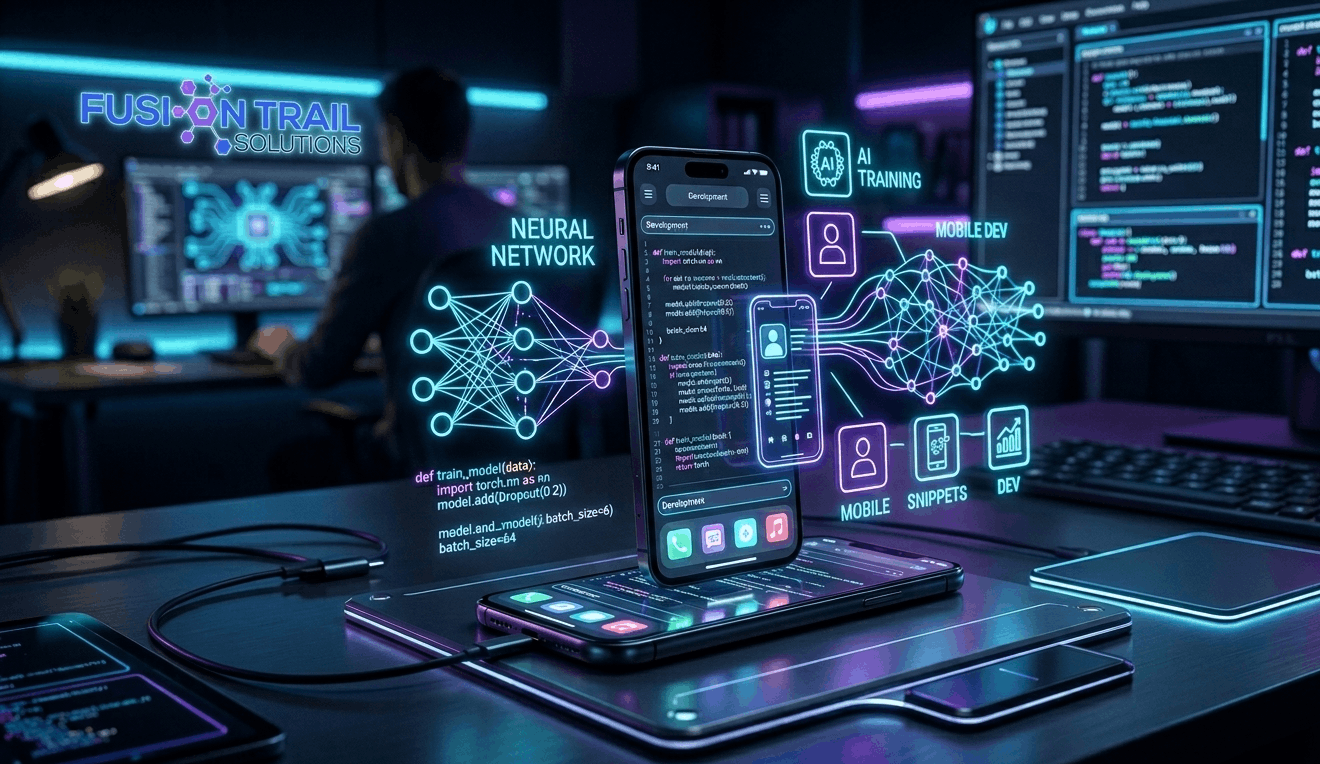
The landscape of mobile and web applications has shifted from "mobile first" to "AI-first." In 2026, building an app without integrated AI is like building a phone without internet it’s functional, but it’s already obsolete. For developers and business owners, staying ahead means understanding how Artificial Intelligence is rewriting the rules of user experience (UX) and backend efficiency.
Here are the top AI trends dominating app development right now.
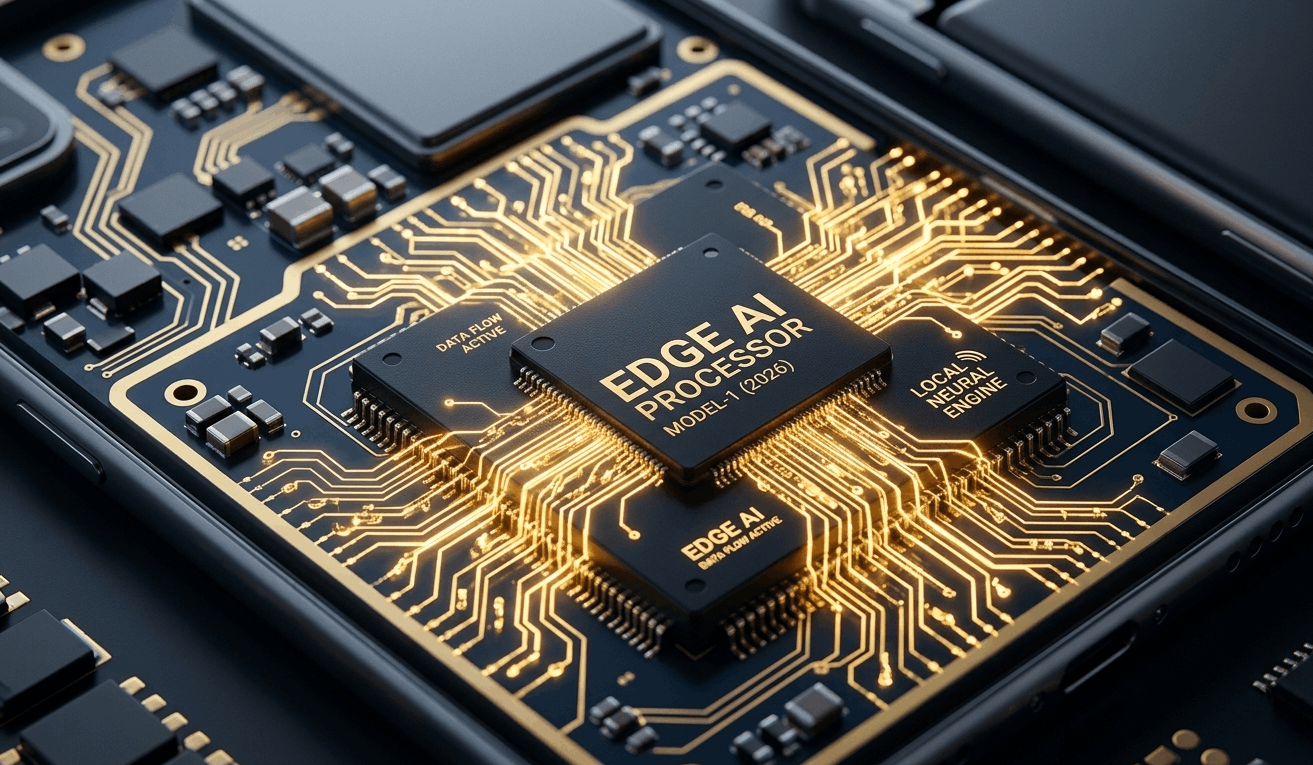
1. On-Device AI (Edge AI)
Gone are the days when every AI request had to travel to a cloud server and back. 2026 is the year of Edge AI.
Privacy First: Sensitive data never leaves the user's device, making apps more secure.
Zero Latency: On device models (like specialized versions of Gemini or Llama) respond instantly, even without an active internet connection.
Reduced Costs: Developers are saving thousands in server costs by utilizing the powerful NPU (Neural Processing Unit) chips found in modern smartphones.
2. AI Agents and Task-Specific Automation
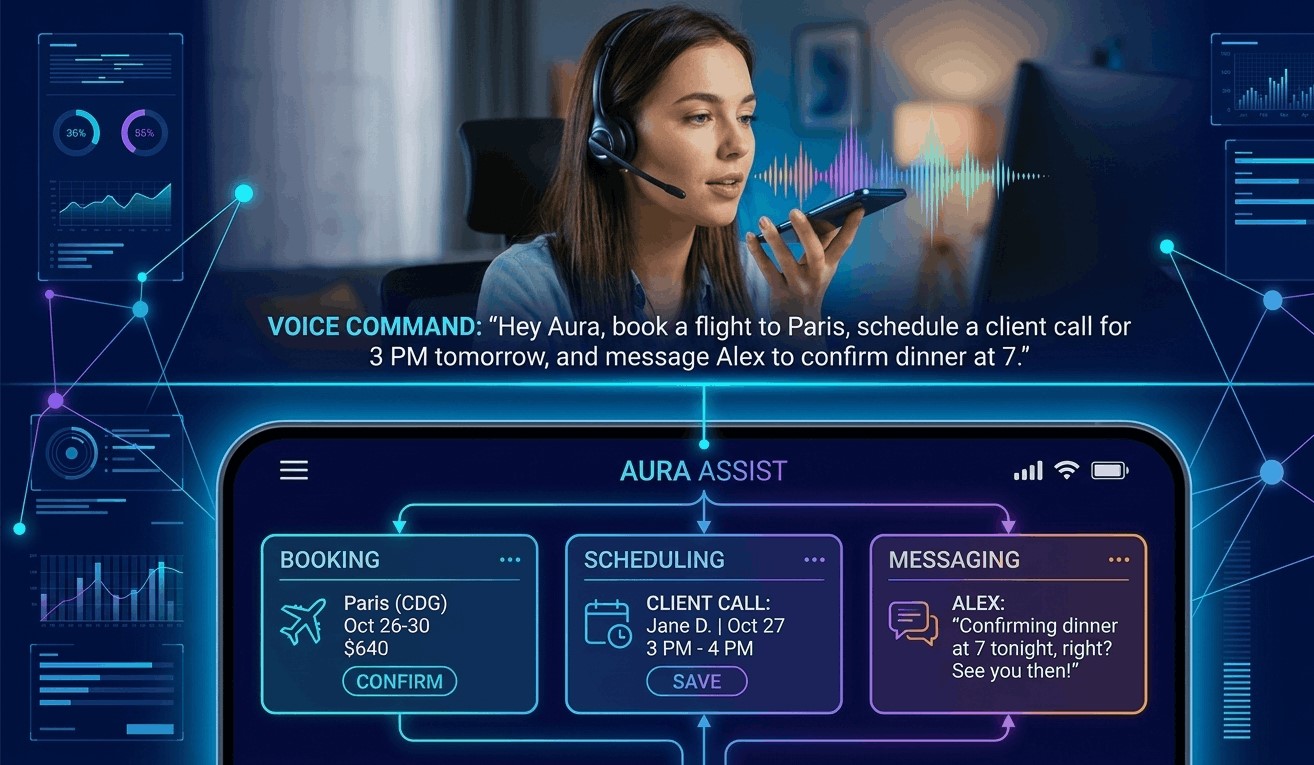
We have moved past simple chatbots. Today’s apps feature AI Agents that don't just talk they act.
Instead of a user clicking through five menus to book a flight, they simply tell the app agent, "Find me the cheapest flight to Dubai next Friday," and the agent completes the workflow within the app interface.
Gartner predicts that by the end of 2026, 40% of enterprise apps will include these autonomous agents.
3. Generative UI: The Adaptive Interface
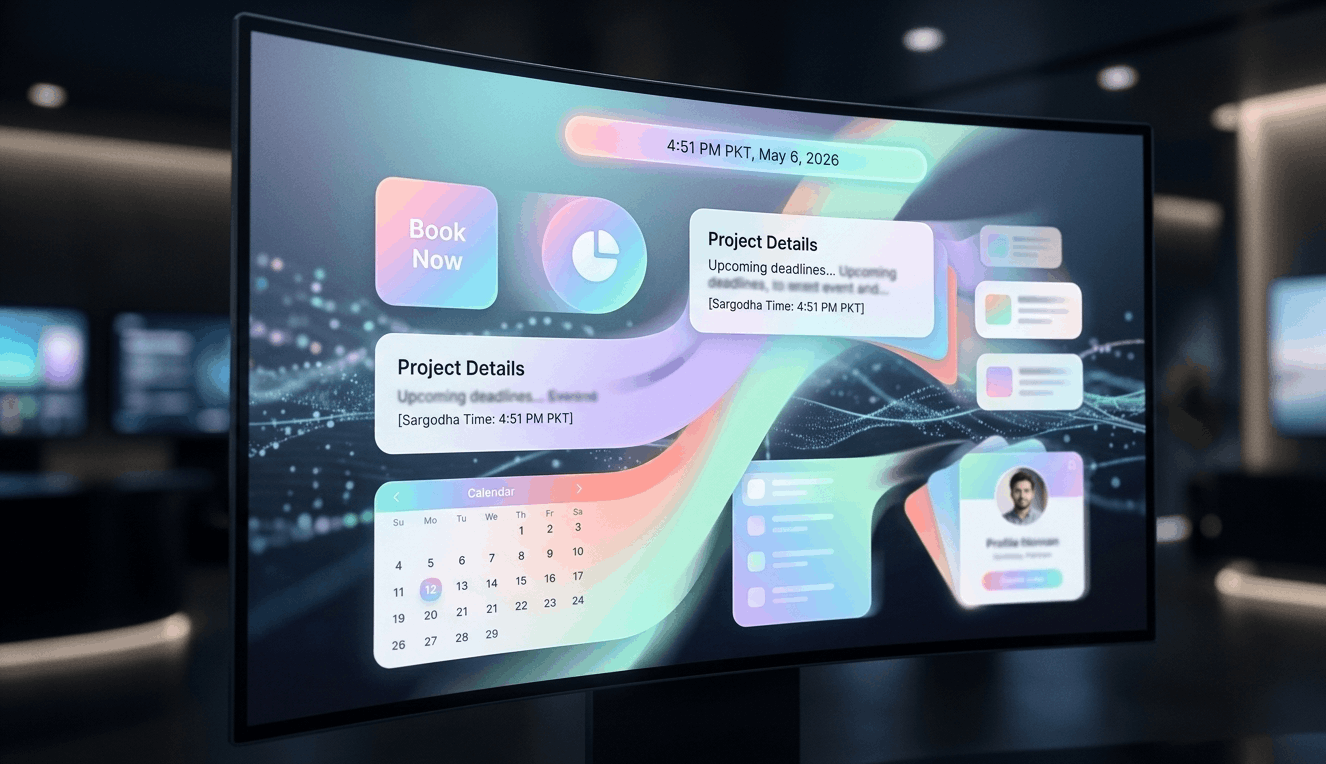
Traditional UI is static; Generative UI is fluid. AI now analyzes user behavior in real-time to reshape the app's interface.
If a user frequently uses the "Analytics" tab, the AI might move it to the primary navigation bar automatically.
The app's layout, color scheme, and even the complexity of the dashboard adapt based on the user's skill level and current intent.
4. AI-Powered Low-Code & No-Code Revolution
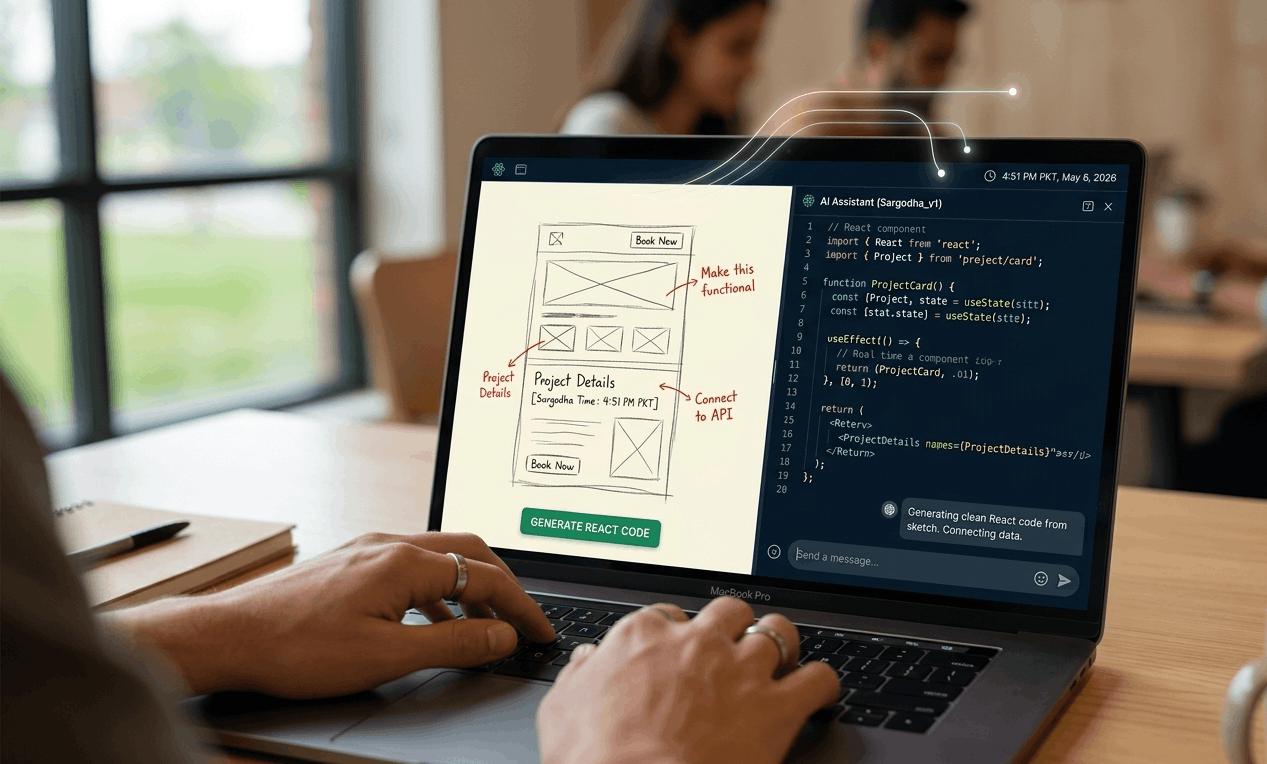
Development cycles have shrunk from months to weeks. AI-driven platforms (like Lovable or Replit Agent) allow developers to:
Convert a rough hand drawn sketch into a functional React or Next.js frontend in seconds.
Generate complex backend logic using natural language prompts.
Pro-Tip: This doesn't replace developers; it empowers them to focus on high level architecture while AI handles the repetitive "boilerplate" code.
5. Predictive UX & Hyper-Personalization
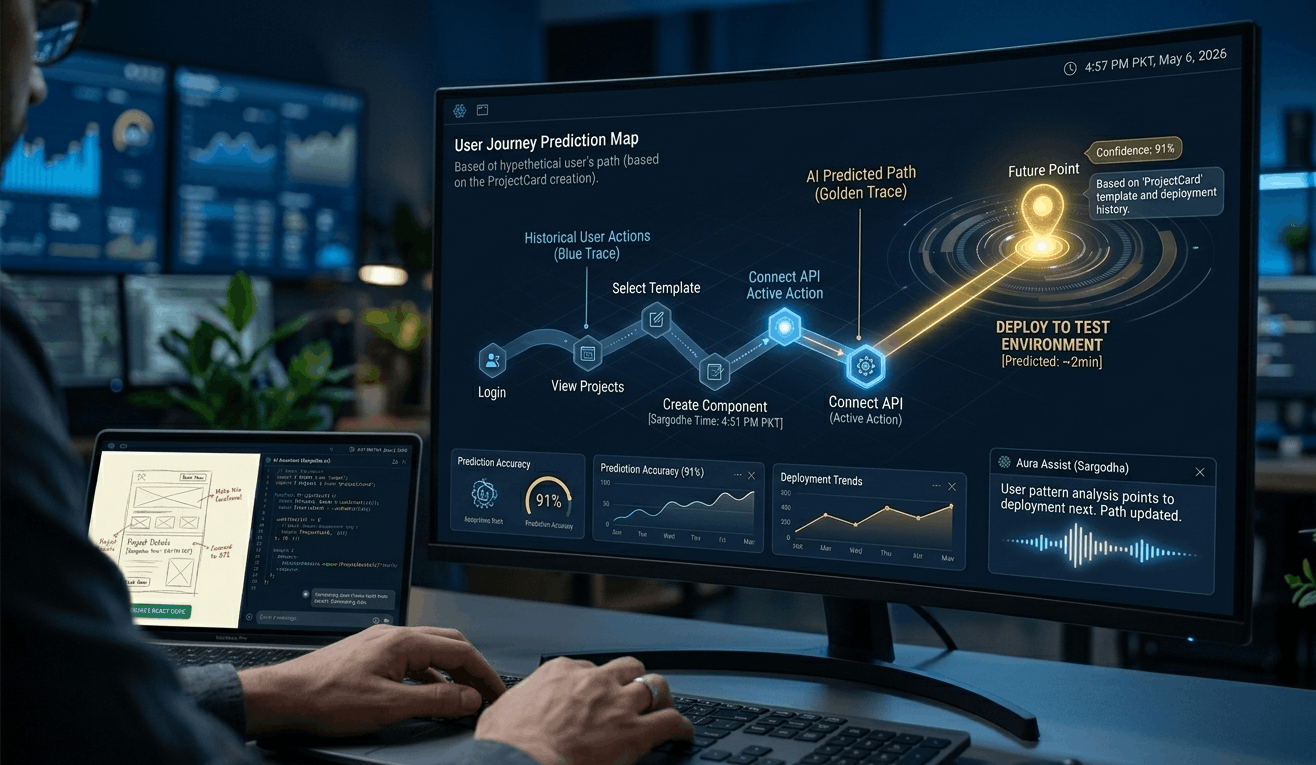
Apps are now becoming proactive rather than reactive.
Predictive Analytics: Using "micro behavior" tracking, apps can predict what a user wants to do next with over 90% accuracy.
Sentiment AI: By analyzing voice tone or typing patterns, apps can detect a user's mood and adjust their response providing more empathetic customer support or energetic fitness coaching.
Final Thoughts & Call to Action
AI is no longer a future trend it is the foundation of modern app development. From Edge AI to autonomous agents and generative interfaces, the way we build and experience software is changing faster than ever.
The question is no longer “Should you use AI?”
It is “How fast can you adapt to it?”
If you're a developer, startup founder, or business owner, now is the time to start integrating AI into your products before you get left behind.
Start small, experiment with AI APIs, build smart features, and gradually move toward AI first architecture.
Want more insights on AI, web development, and future tech trends?
Follow for more breakdowns, practical guides, and real-world implementation strategies.