

The landscape of Pakistan's telecom sector is standing at a critical juncture as the finalization of the Federal Budget 2026-27 approaches. In a decisive, strategic move, the Ministry of Information Technology and Telecommunication (MoITT) has officially made a last ditch attempt to push for substantial tax relief for mobile phone and internet consumers across the country.
By formally reaching out to the Ministry of Finance, the IT Ministry has put forward a comprehensive fiscal package. This high-level intervention aims to dramatically ease the heavy taxation system currently burdening over 200 million cellular subscribers, while simultaneously fostering a sustainable operational environment for telecom operators.
According to insider industry sources, the MoITT's urgent recommendations focus on streamlining complex tax structures, eliminating regulatory bottlenecks, and revitalizing the flow of Foreign Direct Investment (FDI) into Pakistan’s digital infrastructure.
The Hidden Crisis: Why Pakistan’s Telecom Industry Urgently Demands Structural Reforms
Currently, Pakistan’s telecom infrastructure operates under one of the highest tax regimes globally. Mobile network operators (MNOs) are heavily stretched, managing strict tax compliance frameworks across approximately 65,000 cellular sites nationwide. This deeply fragmented and administratively intensive mechanism drastically inflates the corporate operational expenditure (OPEX) for service providers. Consequently, the rising cost of doing business is directly hitting end-consumers, making essential connectivity expensive.
To mitigate these systemic challenges, the IT Ministry has proposed a holistic overhaul of the current framework. By introducing a direct, consolidated tax collection mechanism to entirely replace the outdated withholding tax (WHT) structure, the government can achieve two goals simultaneously:
Drastically reduce administrative compliance costs for local telecom service providers.
Drastically enhance corporate cash flows and overall market efficiency.

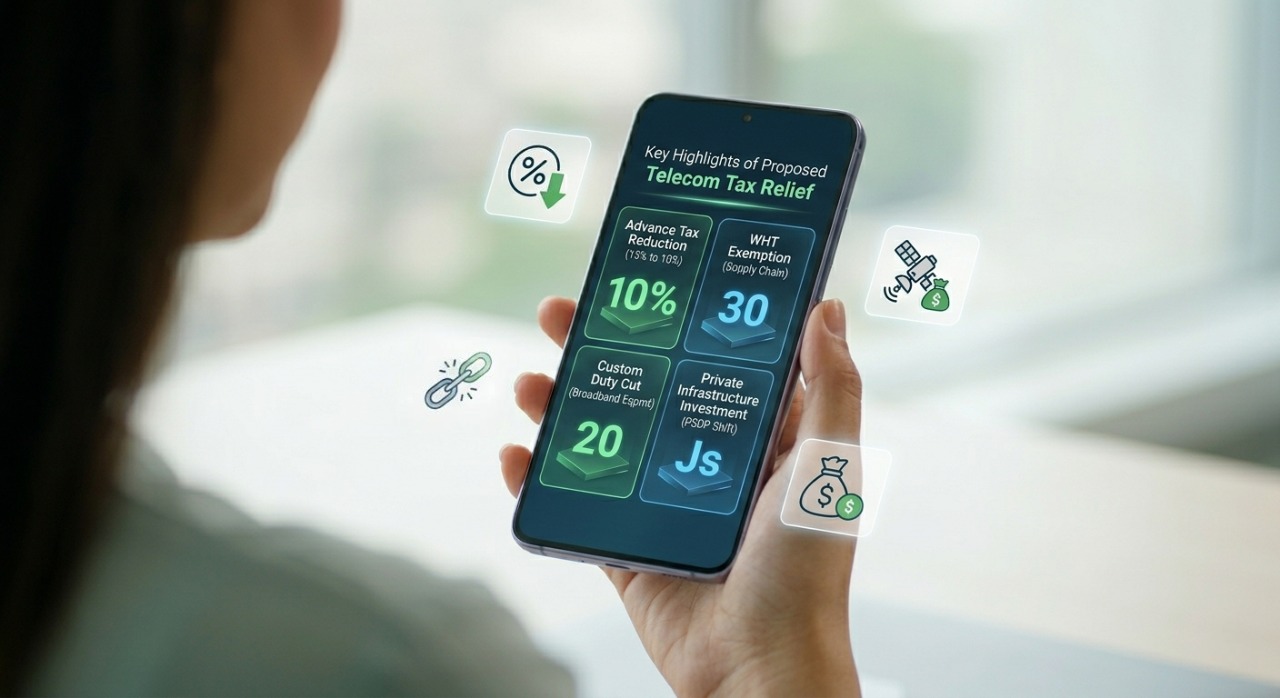
Deep Dive: Key Highlights of the Proposed Telecom Tax Relief 2026
The formal policy recommendations submitted to the Ministry of Finance outline several vital interventions designed to accelerate Pakistan’s digital transition and ensure internet affordability:
1. Major Downward Adjustment in Advance Income Tax
One of the most anticipated consumer centric proposals is the significant reduction of the current 15% Advance Tax levied on mobile recharges and internet usage bills. In a country fighting persistent inflation, a downward revision of this tax will provide immediate, measurable financial relief to lower- and middle-income mobile users nationwide.
2. Complete Elimination of Withholding Tax (WHT) Hurdles
The MoITT has aggressively advocated for targeted WHT exemptions within the primary telecom supply chain. Removing these layered fiscal hurdles is recognized as an essential step toward improving the ease of doing business, freeing up corporate capital that operators can immediately channel back into network optimization.
3. Drastic Duty Cuts on Telecom Hardware & Broadband Infrastructure
To support expansive network deployments and improve rural broadband penetration, the proposal highlights the need to slash import duties on critical telecom hardware. Reducing custom duties and sales taxes on advanced equipment will allow cellular companies to scale up 4G capabilities efficiently and build a stronger foundation for upcoming next-generation technologies like 5G.
4. Strategic Shift Toward Private Sector-Led Financing Models
In a notable policy transition, the IT Ministry has recommended that future long term telecom infrastructure projects rely primarily on private sector financing and commercial models. Instead of looking toward the state funded federal Public Sector Development Programme (PSDP), the ministry suggests empowering private enterprise to drive the country's digital layout.
The Strategic Macroeconomic Impact on Pakistan’s Digital Economy
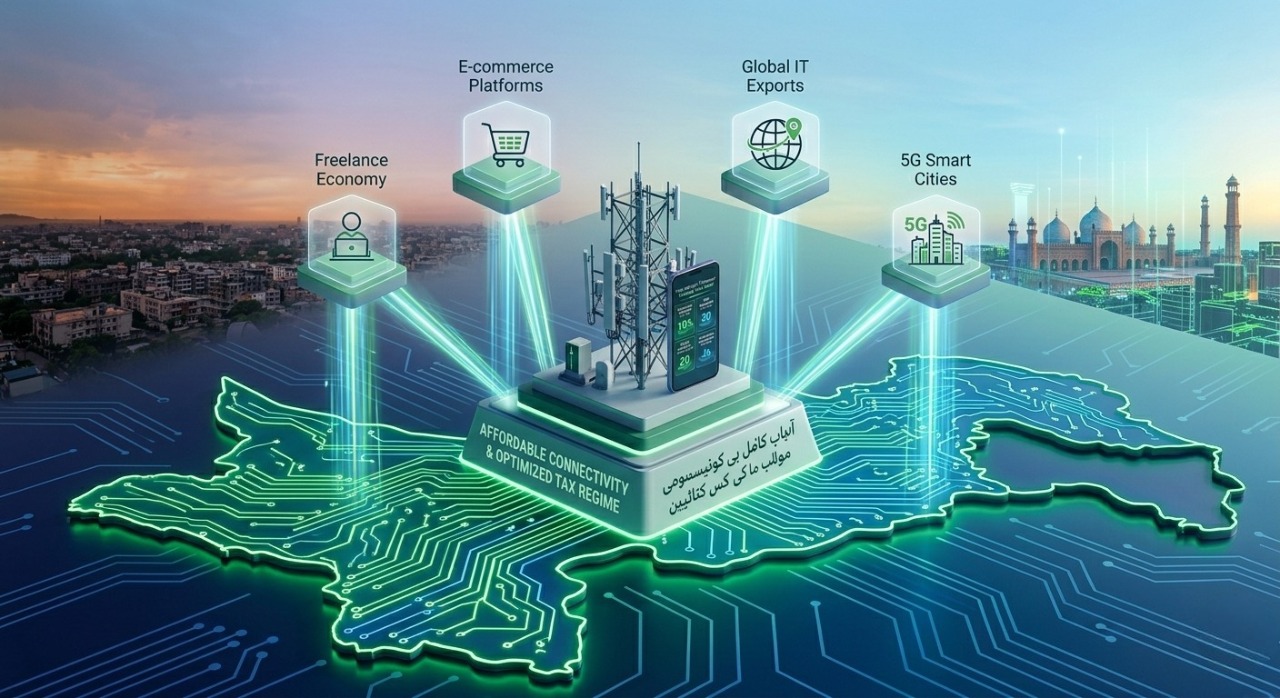
The telecom sector serves as the fundamental backbone of Pakistan’s rapidly expanding freelance ecosystem, software exports, and tech startup community. Simplifying the digital tax regime is no longer merely an industry centric demand it is a macroeconomic necessity to guarantee that high speed internet remains globally competitive and locally affordable.
If accepted by the federal government and integrated into the final Finance Bill, these structural reforms will do more than just lower monthly mobile bills for the masses. They will position Pakistan as a digitally progressive, investor-friendly market, encouraging international telecom giants to confidently invest capital into the country's domestic infrastructure.
Stay Ahead of Budget 2026 Updates!
As the final Finance Bill approaches, structural updates in the IT and telecom sectors are moving fast. Don't miss out on breaking tech news, tax policies, and digital economy updates in Pakistan.