

China Achieves a Historic Space Milestone
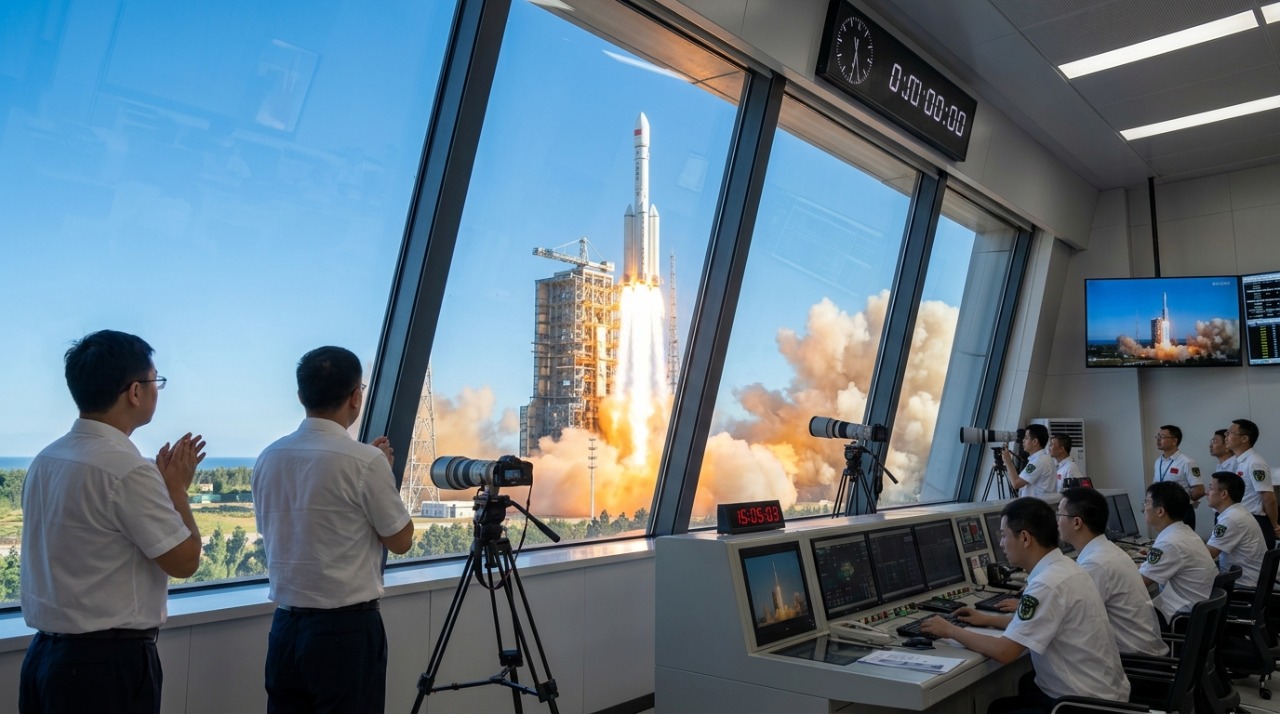
China has taken a major step forward in space exploration by successfully recovering the first-stage booster of its Long March 10B rocket after launch. This marks the country's first successful recovery of an orbital-class reusable rocket booster and places China among the global leaders in reusable space technology.
The rocket was launched from Hainan Space Launch Site, where it successfully delivered its payload into orbit. After separating from the upper stage, the first-stage booster performed a controlled return and was captured on a sea-based recovery platform using a specially designed net system.
Why This Achievement Matters
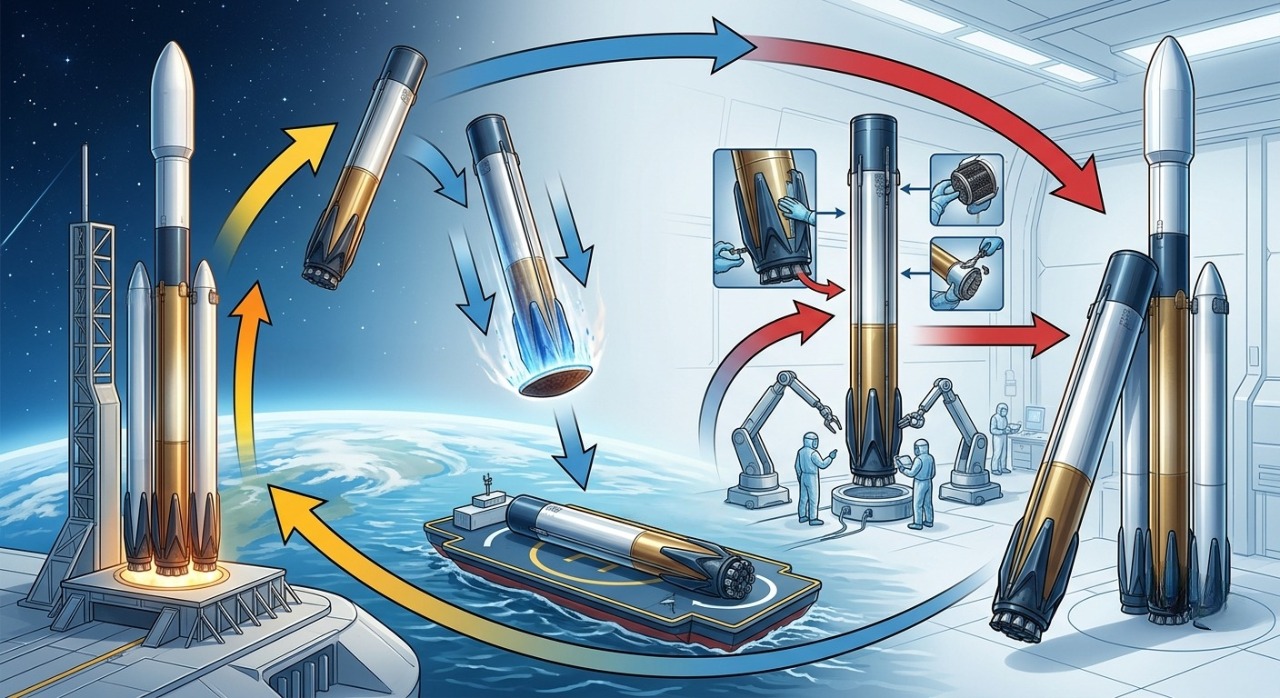
Reusable rockets are transforming the space industry by reducing launch costs and allowing rocket components to be used multiple times instead of being discarded after every mission.
This breakthrough gives China several strategic advantages:
Lower launch costs
Faster preparation for future missions
Better satellite deployment capability
Stronger competition with global space companies
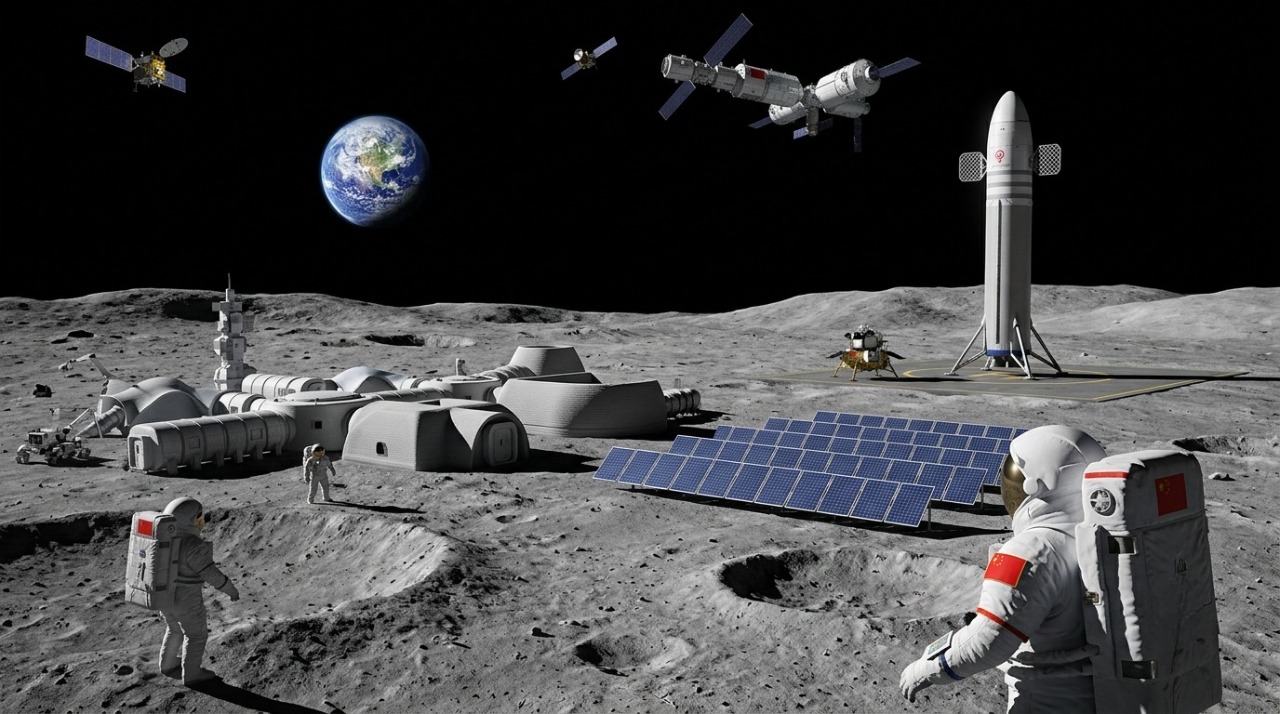
Support for future Moon and deep-space missions
Experts believe reusable launch systems will become the standard for future commercial and government space programs.
Long March 10B vs SpaceX
For years, SpaceX has dominated reusable rocket technology with its Falcon 9 program. China's successful Long March 10B recovery demonstrates that the country is rapidly closing the technological gap.
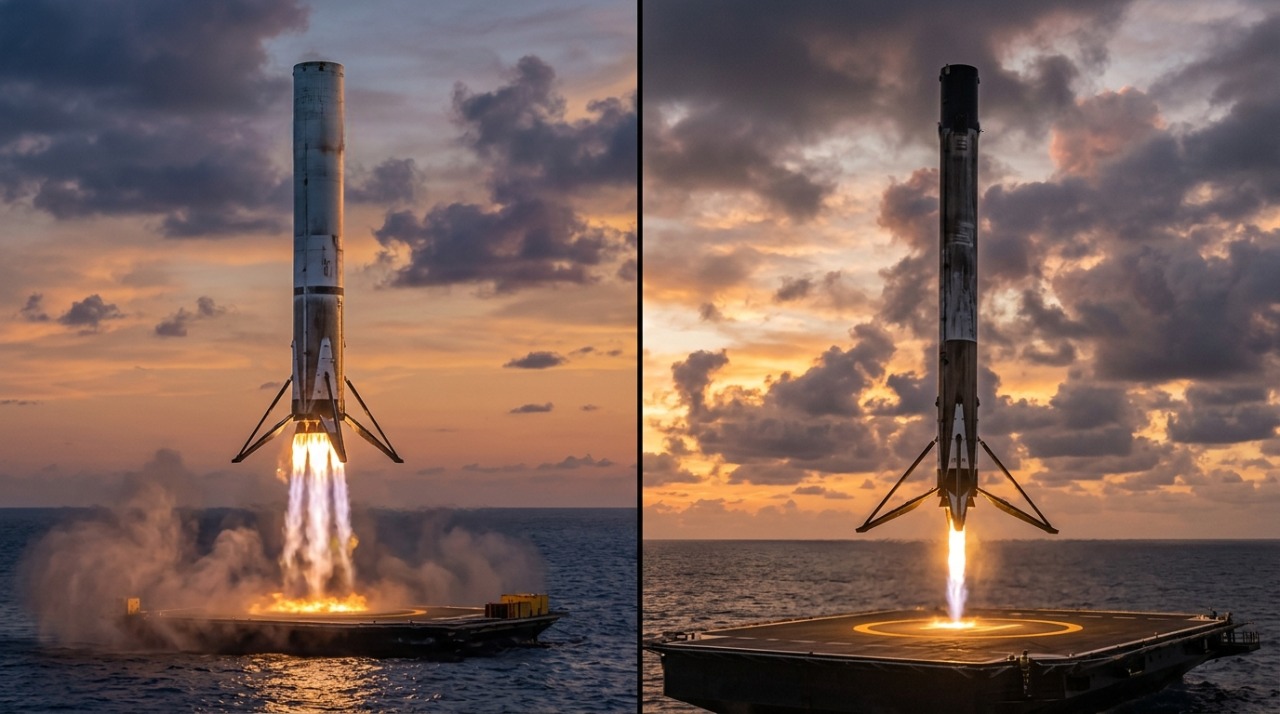
Unlike Falcon 9, which lands on deployable legs, China's system uses a sea-based platform equipped with a net designed to capture the returning booster. This approach reduces additional rocket weight while improving recovery efficiency.
What Comes Next?
China plans to reuse the recovered booster in future launches, reducing costs while increasing launch frequency. The technology is expected to play a key role in upcoming satellite deployments, commercial launch services, and China's long-term lunar exploration program.
As the global space race accelerates, reusable rocket technology is becoming one of the most important innovations in modern aerospace engineering. China's latest success signals that competition in space is entering a new phase.
Final Thoughts
China's successful recovery of the Long March 10B booster is more than just another rocket launch—it represents a major technological breakthrough. By investing in reusable launch systems, China is positioning itself as a serious competitor in the future of commercial spaceflight and deep-space exploration.
With reusable rockets reducing costs and increasing mission efficiency, the coming years are expected to witness faster innovation, more satellite launches, and ambitious missions to the Moon and beyond.
📰 More Trending News You May Like
Stay updated with the latest global headlines, technology breakthroughs, business developments, and world events. Explore more trending stories from around the world.
Xiaomi MiMo AI New Features 2026: Everything You Need to Know
Claude Fable 5 Launch: Anthropic Unveils Its Most Advanced AI Model Yet (2026)
WhatsApp Username Feature: Everything You Need to Know in 2026
👉 Read more to stay informed with the latest international news, technology updates, business insights, sports, and global events.