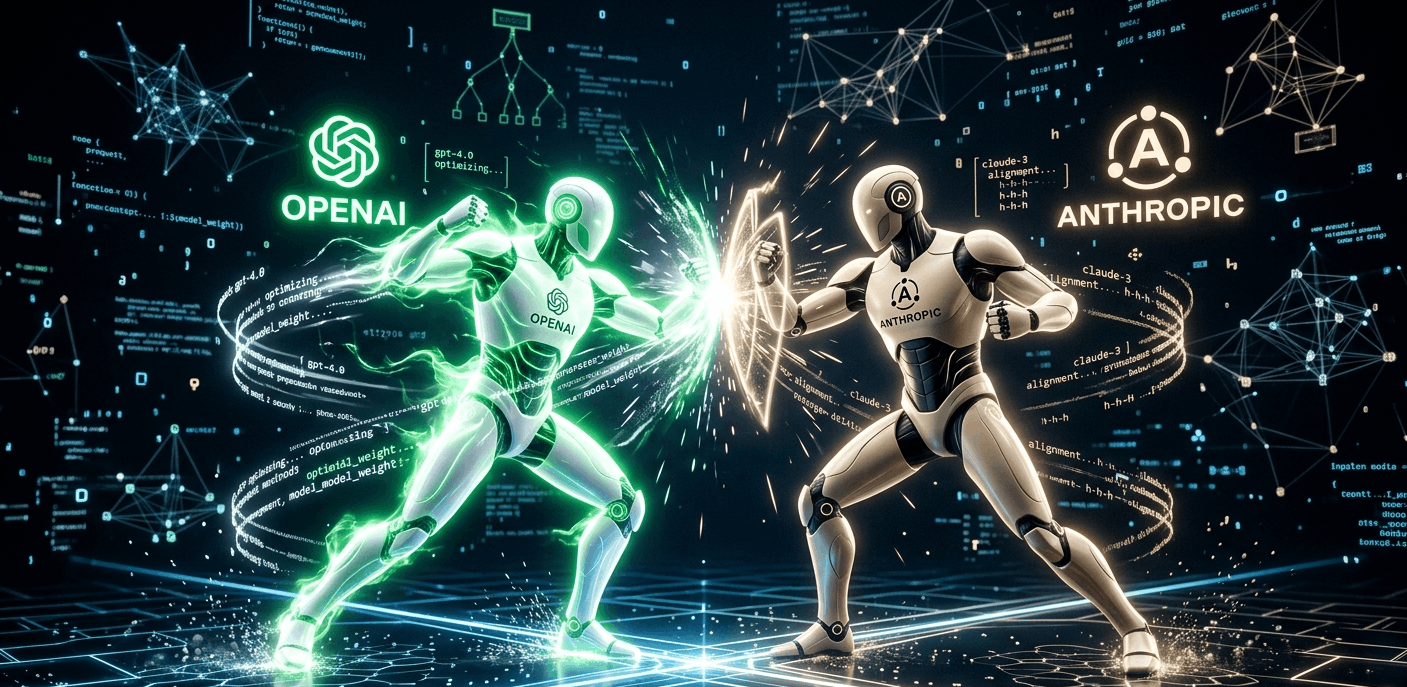
The AI landscape has shifted from a sprint to a full scale marathon. In 2026, the conversation is no longer just about who has the "smartest" chatbot, but who provides the most functional, reliable, and integrated workspace. The rivalry between OpenAI and Anthropic has reached a fever pitch, forcing users especially developers and creators to choose sides.
Here is the "real world" breakdown of what is happening right now between these two giants.
1. OpenAI: The Multimodal Powerhouse
OpenAI continues to dominate the consumer market with GPT-5 and its successor models. Their strategy is clear: Presence everywhere.
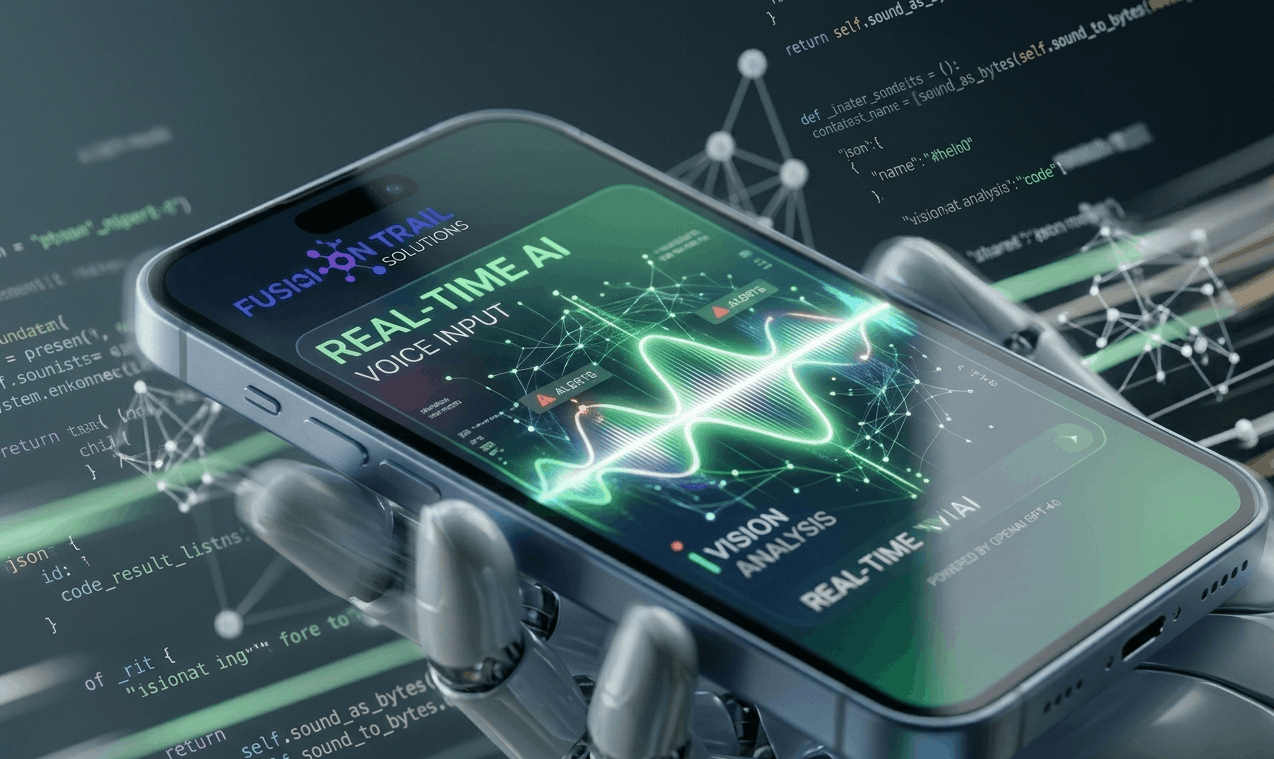
Omni-Capabilities (Voice & Vision): OpenAI’s "Omni" models have perfected real-time interaction. The ability to talk to your AI with zero latency and have it respond with human like emotion makes it the ultimate personal assistant.
The Desktop Frontier: Their integration into desktop environments (macOS and Windows) has changed the game. The AI can now "see" your screen, allowing it to help you debug code in real-time as you type or assist with complex UI/UX design software.
Search and Ecosystem: With the integration of advanced search features, OpenAI is directly challenging traditional search engines, providing cited, real time data combined with massive plugin support through GPTs.
2. Anthropic: The Developer’s New Standard
While OpenAI wins on "cool factor," Anthropic’s Claude 4.7 opus and the newer Claude 4 series have become the "gold standard" for professionals who prioritize logic over bells and whistles.
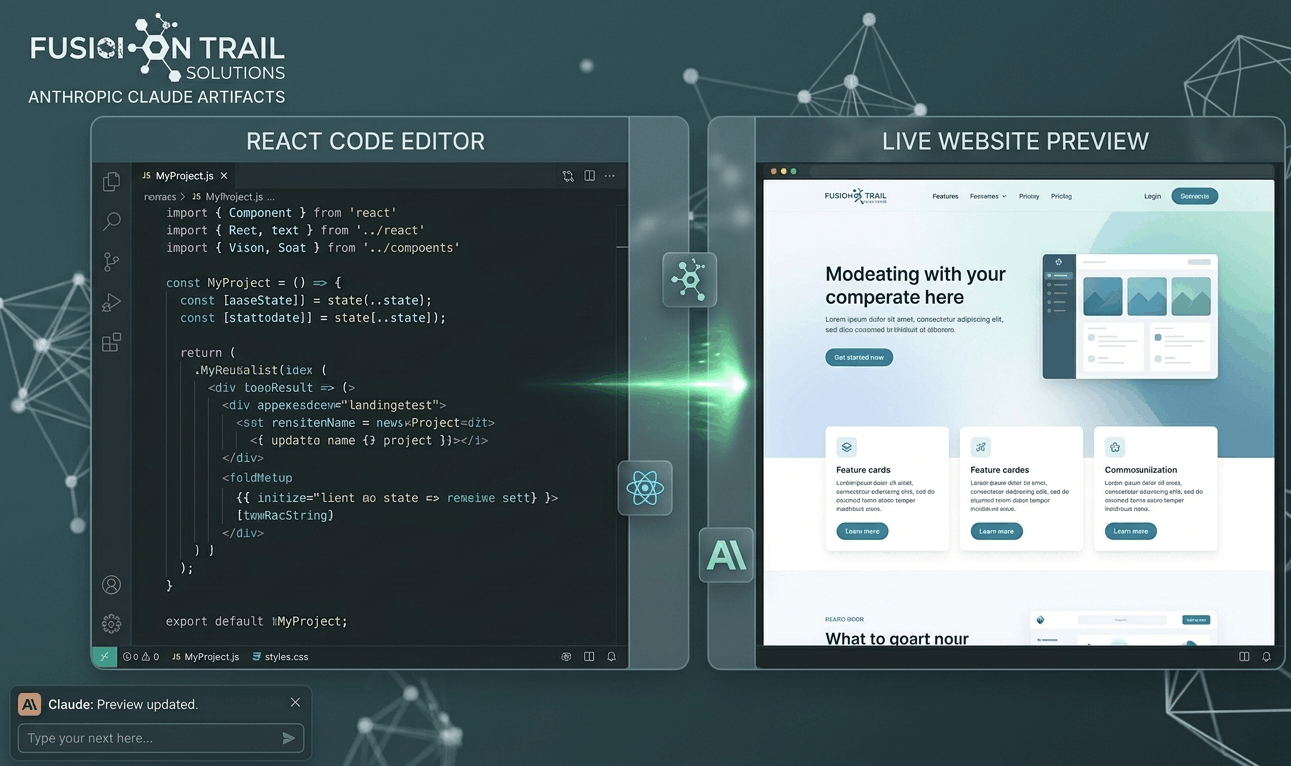
Artifacts (The UI Revolution): This is perhaps the most significant UI update in AI history. When Claude writes code, generates a website, or creates a diagram, it opens a dedicated "Artifact" window. You can view, edit, and interact with the live code directly. For developers building in React, Next.js, or Tailwind CSS, this is a massive productivity boost.
Superior Reasoning & Coding: Claude has earned a reputation for being "less lazy" than GPT. It tends to follow complex instructions more accurately and writes cleaner, more modular code.
Context Projects: Anthropic’s "Projects" feature allows you to upload entire codebases, style guides, or documentation. This creates a "long-term memory" for that specific project, making the AI feel like a team member who actually knows your work history.
The Verdict: Which One Wins in 2026?
The choice depends entirely on your workflow.
Choose OpenAI if:
You need a versatile assistant on your phone or desktop.
You rely heavily on voice-to-text and real time vision analysis.
You want an AI that can browse the web and access various third-party tools seamlessly.
Choose Anthropic if:
You are a Developer or SEO expert. The ability to see live previews of your code and manage complex technical schemas is unmatched.
You need long-form content that doesn't sound "robotic."
You are working on large-scale projects where "context" and "project memory" are vital.
Final Thought
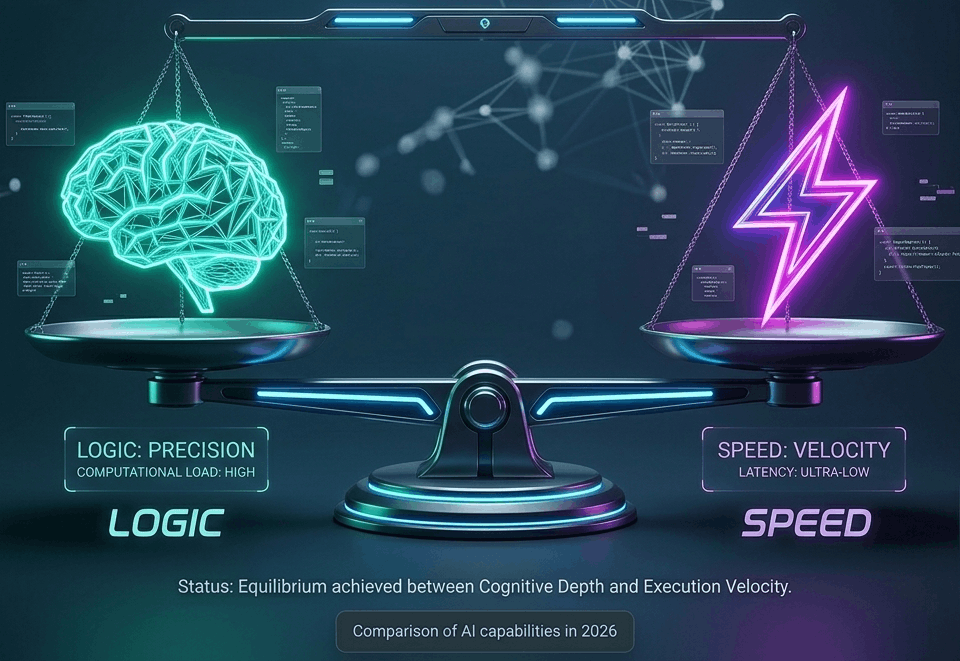
In 2026, the trend isn't actually choosing one; it’s Dual Usage. Most high level professionals are now using OpenAI for quick research and daily automation, while switching to Anthropic for the "heavy lifting" of coding and technical architecture.
The war is far from over, but for the first time, OpenAI has a competitor that isn't just following it's leading in the areas that matter most to builders.
Which side are you on? Are you Team Claude for the logic, or Team GPT for the versatility?