The world was moving toward a major crisis. For days, rising tension between the United States and Iran created fears of a much larger conflict in the Middle East. Oil prices were climbing, investors were worried, and people across the world were searching one question:
Could this become the next global war?
Now, a temporary breakthrough has happened.
The United States and Iran have agreed to a two week ceasefire, giving the world a short period of relief. But while the attacks may have stopped for now, the bigger questions remain:
Will the ceasefire last?
What happens after two weeks?
Why are oil, gold, and stock markets reacting so strongly?
Why the US-Iran Ceasefire Matters
The new agreement is only temporary, but it is still one of the most important political developments of 2026.
Both countries have agreed to stop military attacks for two weeks. During this period, peace talks are expected to take place in Islamabad, with Pakistan playing the role of mediator.
This matters because a direct conflict between the US and Iran would not only affect the Middle East. It could also damage:
Global trade
Oil supply
Technology industries
Stock markets
International shipping
That is why the news immediately became one of the most searched topics in the world.
Pakistan’s Role in the Ceasefire
One of the biggest surprises in this situation is Pakistan’s involvement.
Pakistan helped both sides move toward talks and is expected to host important discussions in Islamabad. This has increased Pakistan’s importance in global diplomacy.
If the talks are successful, Pakistan could become one of the key countries helping prevent a larger regional war.
Why Oil Prices Suddenly Fell
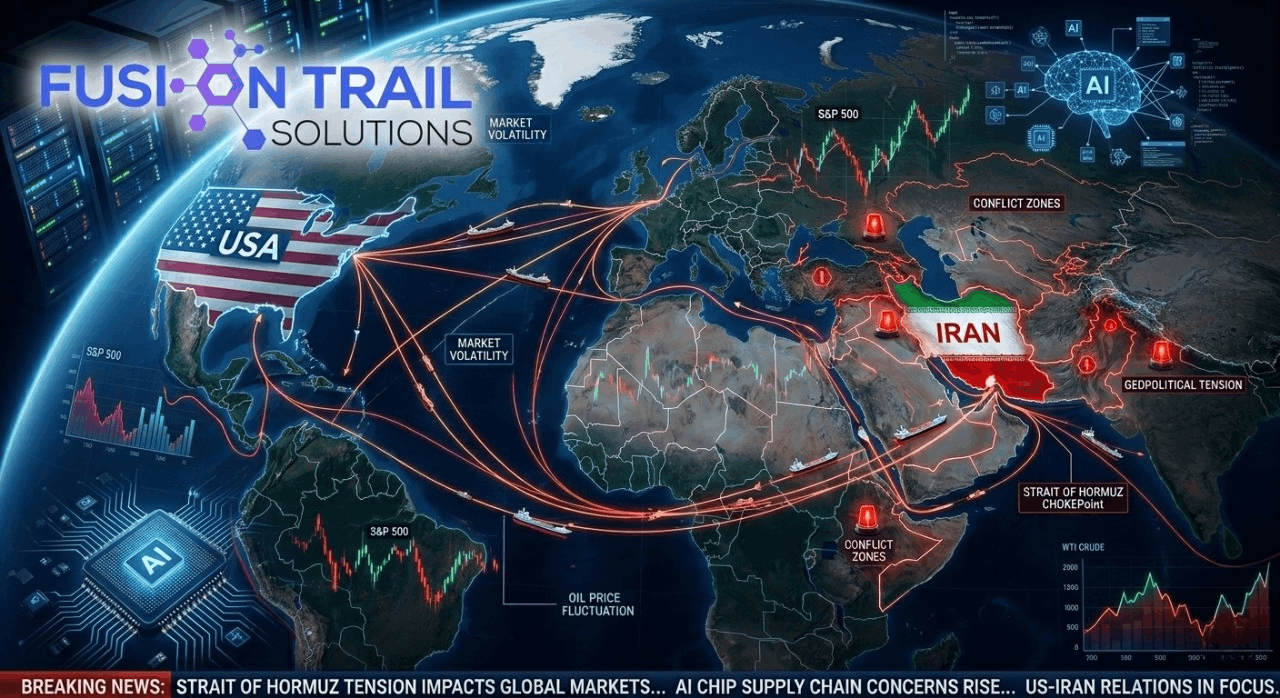
Before the ceasefire, the world feared that Iran might block the Strait of Hormuz. Because of that fear, oil prices were rising quickly.
After the ceasefire announcement, the situation changed almost immediately.
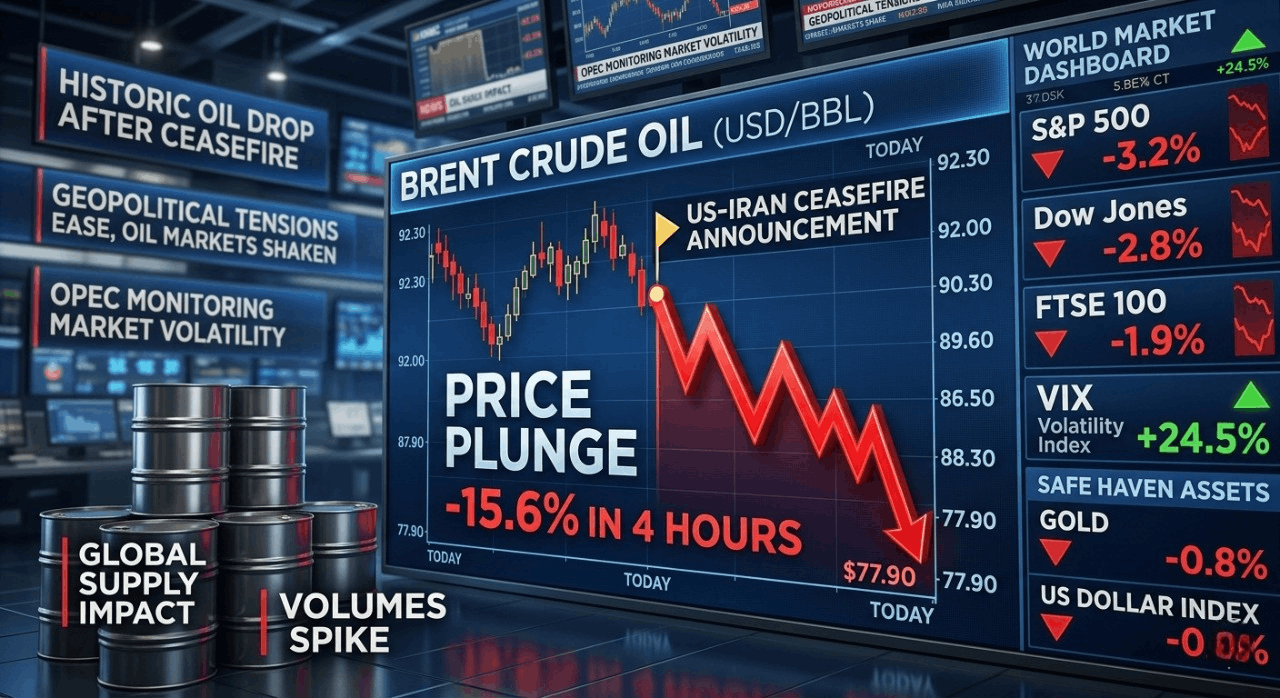
Brent oil dropped by around 13–15%
Oil prices fell below $100 per barrel
Energy markets became more stable
The reason is simple: investors now believe there is less risk of a major war disrupting global oil supplies.
The Importance of the Strait of Hormuz
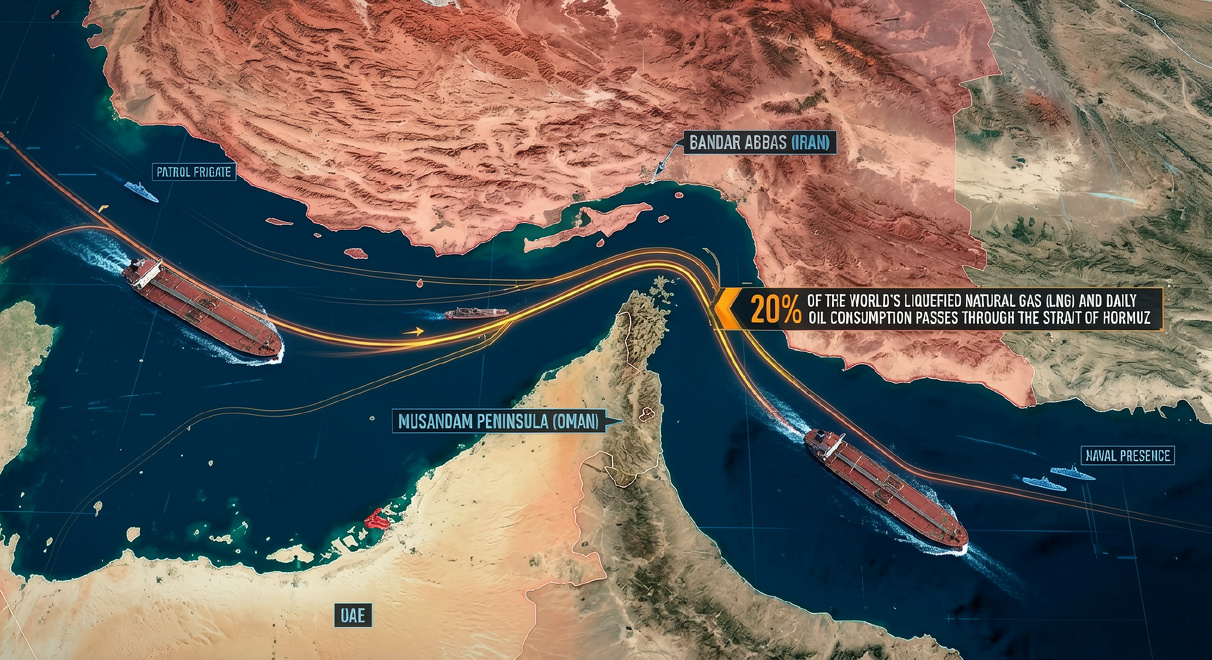
The Strait of Hormuz is one of the most important shipping routes in the world.
Nearly 20% of the world’s oil passes through this narrow waterway. If it closes, fuel prices around the world can rise very quickly.
Iran has now agreed to reopen the Strait of Hormuz temporarily. However, Iran also said that all shipping will remain under military supervision.
That means the route is open, but the risk has not completely disappeared.
Why Stock Markets Are Rising
As soon as oil prices started falling, global stock markets moved higher.
Investors often react positively when the risk of war becomes smaller. That is exactly what happened after the ceasefire.
Markets in the United States, Europe, and Asia all gained strength because:
Lower oil prices reduce pressure on businesses
Companies expect more stable trade
Investors are less afraid of a global crisis
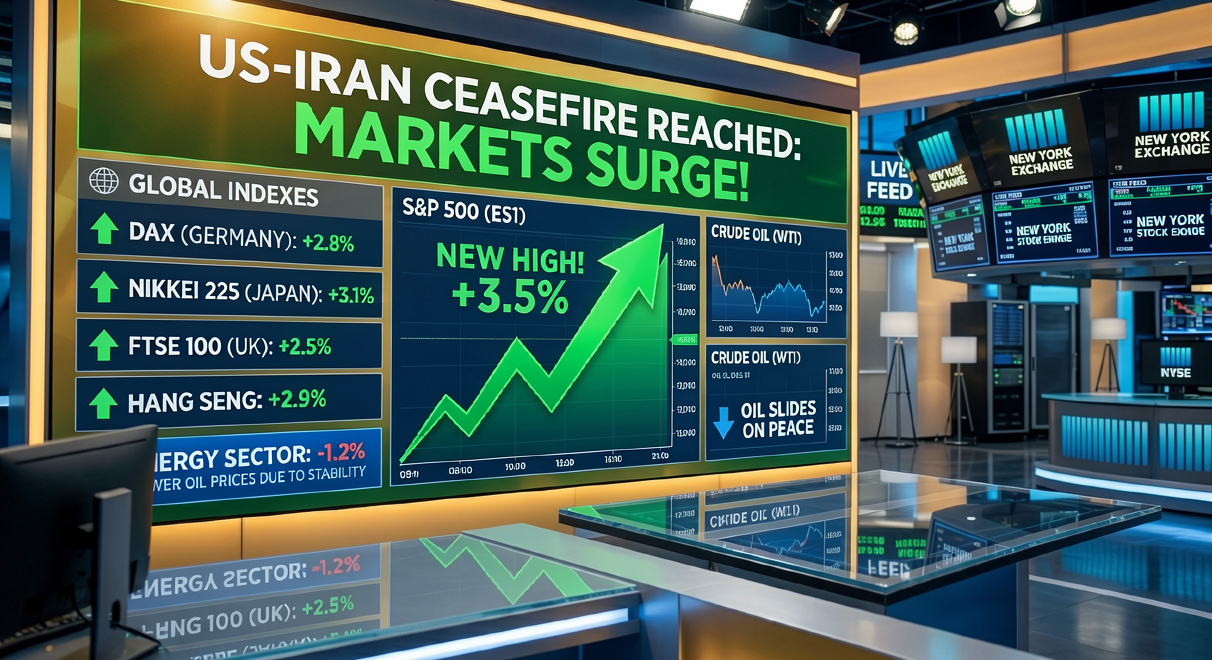
Many analysts believe that if the ceasefire continues, world markets could keep improving over the next few weeks.
Why Gold Prices Are Still Increasing
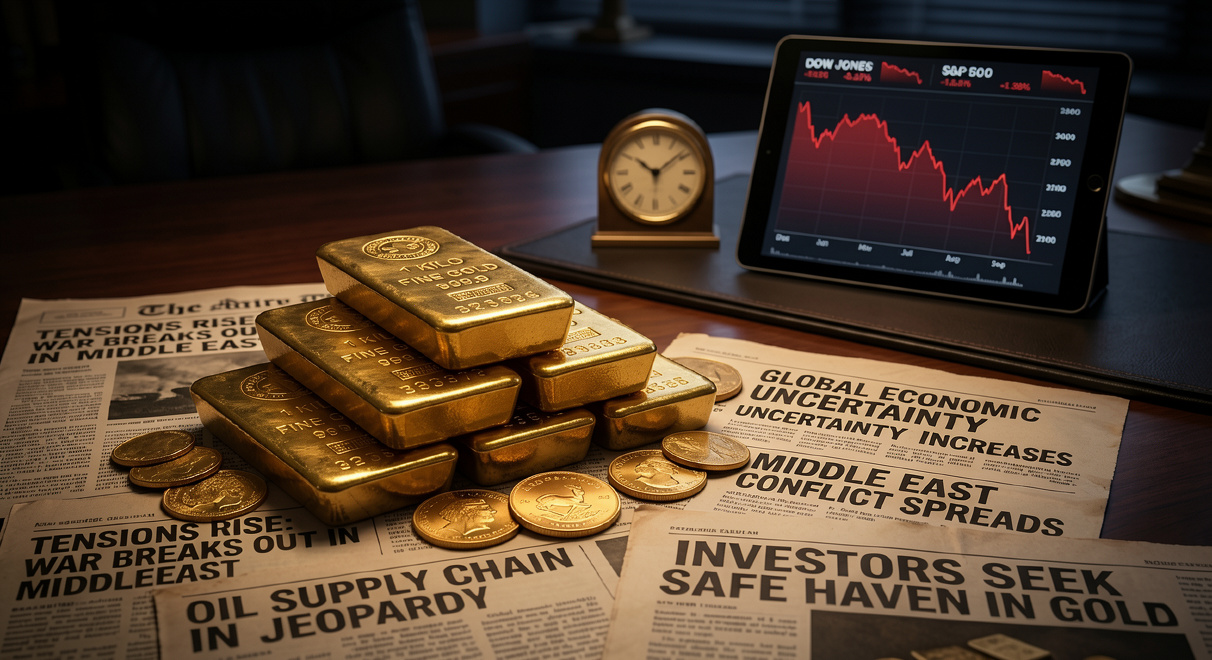
Interestingly, gold prices are still moving higher.
Usually, when the world becomes safer, gold prices fall. But in this case, investors are still uncertain.
They believe the ceasefire may only be temporary. Because of that, many people are buying gold as a “safe investment.”
This shows that even though the immediate danger has decreased, the world is not fully confident that peace will last.
Europe Supports the Ceasefire – But With a Warning
European leaders such as Emmanuel Macron and Keir Starmer welcomed the agreement.
However, they also warned that a two week pause is not enough.
According to European leaders, the real goal should be a permanent peace agreement between the US and Iran. Without that, the same tensions could return again very quickly.
What Could Happen Next?
There are now three possible outcomes:
1. The Ceasefire Succeeds
If talks in Islamabad go well, the two countries may extend the agreement. Oil prices could remain lower, stock markets may continue rising, and the risk of a larger war would become much smaller.
2. The Ceasefire Fails
If either side breaks the agreement, the conflict could restart immediately. In that case:
Oil prices may rise sharply again
Gold could become even more expensive
Global markets could fall
Shipping through the Strait of Hormuz may be disrupted
3. A Longer Regional Conflict Begins
Even if the US and Iran avoid direct war, other groups in the region could continue fighting. Israel, Hezbollah, and tensions in Lebanon and Gaza remain major concerns.
That means the Middle East is still unstable, even after the ceasefire.
How the Crisis Could Affect Technology and AI
The US-Iran conflict is not only a political and military issue. It could also have a major effect on technology, artificial intelligence, and the global digital economy.
Rising Oil Prices Can Increase Data Center Costs
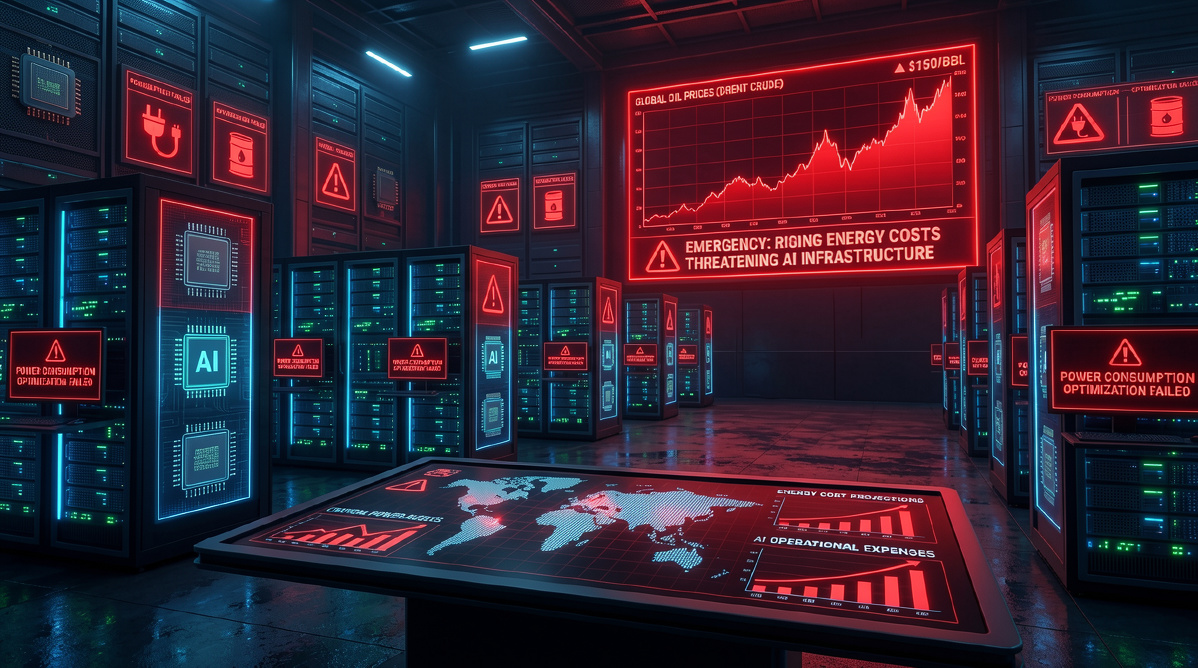
AI systems, cloud computing, and modern technology depend on massive data centers. These facilities use huge amounts of electricity every day.
When oil and energy prices rise, the cost of running data centers also increases. That means companies such as Google, Microsoft, Amazon, and OpenAI may need to spend more money to operate their AI systems.
If the ceasefire fails and oil prices rise again, technology companies could face:
Higher electricity costs
More expensive cloud services
Slower AI expansion
Increased costs for businesses using AI tools
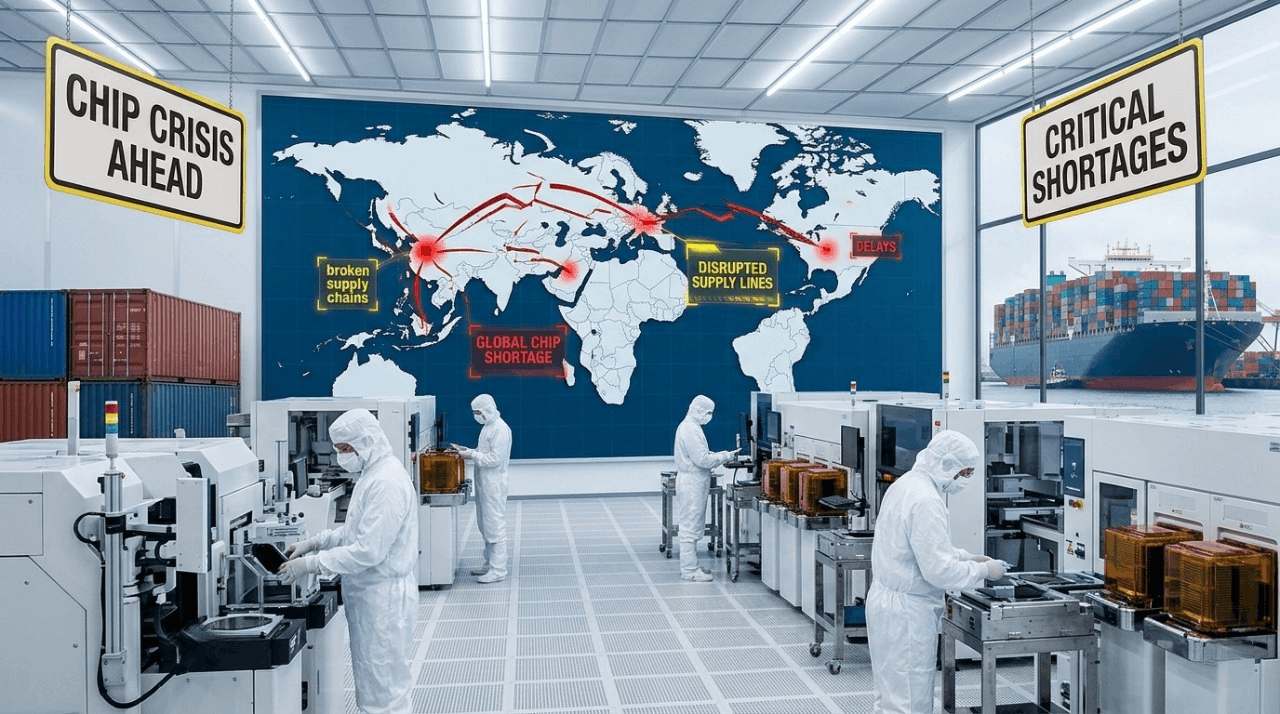
Why Semiconductor and Chip Manufacturing Is at Risk
The world’s technology industry depends on semiconductor chips.
These chips are used in:
AI tools
Smartphones
Laptops
Cars
Servers
Military technology
A larger Middle East conflict could disrupt shipping routes and increase the cost of transporting raw materials and electronic components.
This would make it harder for global chip companies to maintain supply.
Major companies could face delays, including:
Nvidia
TSMC
Intel
Samsung
AMD
If chip shortages return, AI companies and consumer technology brands may struggle to launch new products.
Why the AI Industry Could Slow Down
Artificial intelligence is growing faster than ever, but it needs three things:
1. Cheap electricity
2. Powerful semiconductor chips
3. Stable global trade
A long conflict in the Middle East could damage all three.
Training advanced AI models requires enormous computing power. If electricity becomes expensive and chips become harder to get, AI development may slow down.
Many companies may also decide to delay expensive AI projects until the global situation becomes more stable.
Cybersecurity Risks During the Conflict
Whenever there is tension between major countries, cyberattacks usually increase.
Experts are already warning that governments, banks, airports, oil companies, and technology companies could become targets of hackers.
Possible cybersecurity threats include:
Attacks on energy systems
Banking system hacks
Ransomware against companies
Disruption of internet services
Cyberattacks on AI platforms and cloud systems
This is one reason why cybersecurity companies may become more important in the coming months.

Which Technology Industries Could Be Hurt the Most?
The industries most likely to face problems are:
Semiconductor companies
Artificial intelligence companies
Consumer electronics brands
Logistics and shipping companies
Airlines and travel platforms
Cloud computing providers
At the same time, some industries could benefit:
Cybersecurity companies
Renewable energy companies
Local chip manufacturers
Energy efficient AI companies
What Technology Companies Are Doing Next
Many global companies are already preparing for future problems.
They are:
Investing in local chip production
Building more energy efficient data centers
Using renewable energy instead of oil
Strengthening cybersecurity systems
Creating AI models that need less electricity and fewer chips

This shows that the future of AI and technology now depends not only on innovation, but also on global stability.
Final Thoughts
The US-Iran ceasefire has given the world a short moment of relief, but it has not solved the real problem.
Oil prices have fallen, stock markets are stronger, and the Strait of Hormuz is open again. But gold prices, political warnings, and continuing tensions show that the crisis is not over.
For now, the next two weeks may decide whether the world moves toward peace or back toward another dangerous conflict.